2026 Top Marine Fasteners What Buyers Need to Know?
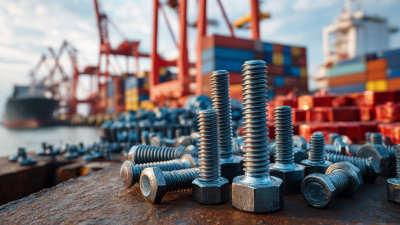
When it comes to marine applications, selecting the right marine fasteners is crucial. These components play a vital role in ensuring the safety and integrity of vessels. As we approach 2026, it is essential for buyers to understand the intricacies of marine fasteners. This knowledge will help in making informed decisions.
Marine fasteners must withstand harsh environments. Saltwater, humidity, and various stresses can affect their performance. Buyers need to consider the materials, corrosion resistance, and load capacity of these fasteners. Stainless steel and titanium are popular choices due to their durability. However, not every option suits every application.
Many buyers overlook details that can lead to costly mistakes. Compatibility with other components is vital. Ignoring this can compromise safety. Researching reliable suppliers and understanding product specifications will enhance the purchasing process. Inadequate knowledge may lead to choices that fail under strain. Hence, staying informed is key to ensuring secure and long-lasting marine applications.
Key Trends in Marine Fasteners for 2026
In 2026, the marine fasteners industry is undergoing significant changes. One prominent trend is the increasing focus on sustainability. Reports indicate that 70% of manufacturers are investing in eco-friendly materials. This shift is driven by the industry's need to reduce its environmental impact. Innovations in corrosion-resistant materials are also gaining traction, providing longer-lasting solutions without compromising performance.
Another critical trend is the rise of smart fasteners. These fasteners can monitor their own integrity and alert users when maintenance is needed. With advancements in IoT technology, about 25% of marine applications are expected to incorporate this feature by 2026. However, challenges remain in ensuring reliable connectivity and battery life for these smart systems.
Pricing pressures are also influencing the market. Data from recent surveys show that 60% of buyers are seeking cost-effective alternatives without sacrificing quality. This demand for affordability can lead to a compromise in material quality or manufacturing standards. As the industry navigates these complex dynamics, stakeholders must remain vigilant about balancing cost with performance and sustainability.
2026 Top Marine Fasteners What Buyers Need to Know? - Key Trends in Marine Fasteners for 2026
| Fastener Type |
Material |
Corrosion Resistance |
Weight (lbs/1000) |
Typical Applications |
| Bolts |
Stainless Steel |
Excellent |
50 |
Deck Hardware |
| Nuts |
Brass |
Good |
30 |
Engine Components |
| Screws |
Aluminum |
Moderate |
20 |
Instrumentation |
| Washers |
Polymer |
Excellent |
15 |
Sealing Applications |
| Anchors |
Carbon Steel |
Fair |
80 |
Structural Supports |
Types of Marine Fasteners: A Comprehensive Overview
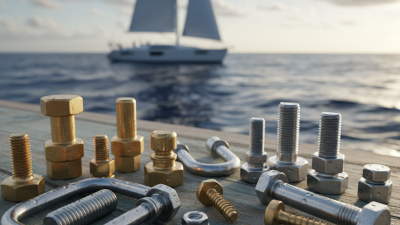
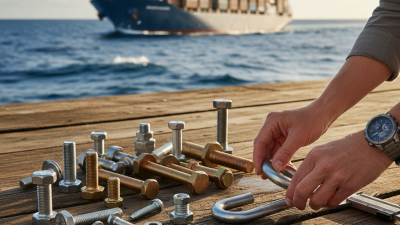
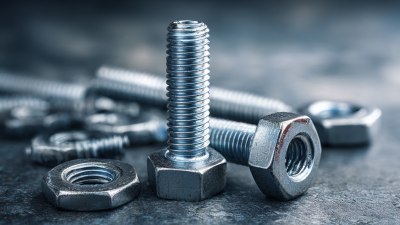
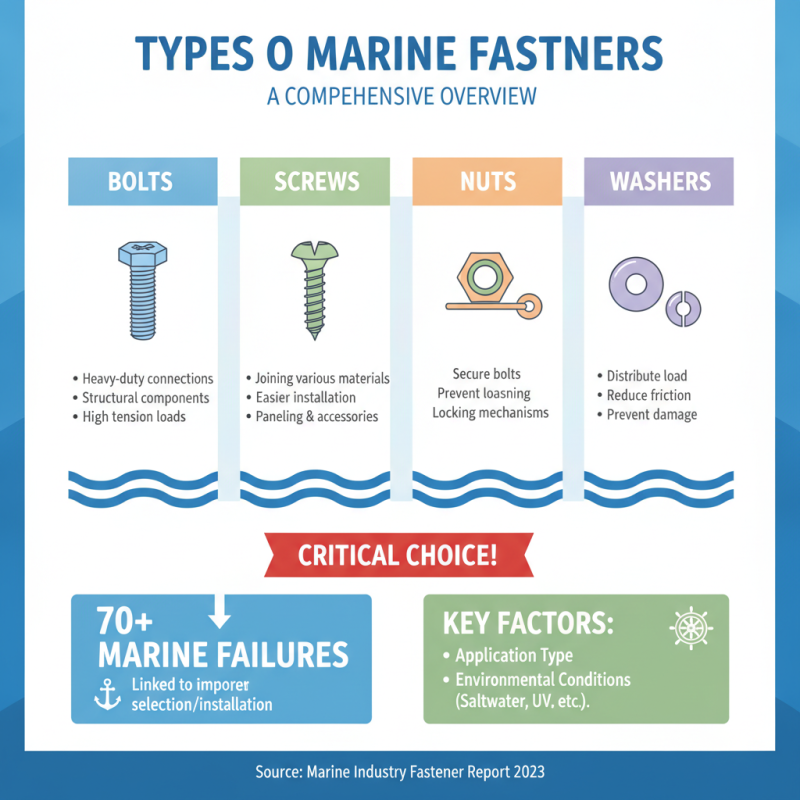
Marine fasteners are vital for the stability and safety of vessels. They come in various types, each serving unique functions. Common fasteners include bolts, screws, nuts, and washers. The choice depends on the application and environmental conditions. According to the Marine Industry Fastener Report 2023, over 70% of marine failures link back to improper fastener selection or installation.
Stainless steel fasteners are popular for their resistance to corrosion. These fasteners endure harsh marine environments. However, they can still corrode under certain conditions. A significant percentage of marine users reported issues with galling and loosening. Alternatives like bronze or aluminum fasteners may provide solutions in specific situations. Each material offers different advantages and potential drawbacks.
The right fastener is key to longevity and performance. Understanding material properties helps in making informed decisions. Regular maintenance and inspection are essential to avoid failures. In the fastener world, precision is everything. A small mistake in choice or installation can lead to major safety concerns. Educating yourself about the types of marine fasteners creates a safer boating experience.
Material Considerations for Marine Fasteners in Harsh Environments
When choosing marine fasteners, material selections play a critical role in performance and durability. Marine environments are harsh, featuring saltwater, humidity, and extreme temperatures. Fasteners must be resistant to corrosion and wear to ensure longevity. Stainless steel is a common choice, often favored for its strength and resistance to rust. However, some stainless steel grades are better suited for saltwater exposure.
Another viable material is titanium, known for its lightweight and strength. It is highly resistant to corrosion but may come with a higher price tag. Aluminum is also popular due to its lightweight properties, but it can be less durable in extreme conditions. Marine-grade plastics offer an alternative; they are lightweight and corrosion-resistant but may not handle heavy loads effectively. Each material has its own set of pros and cons, making it essential for buyers to assess application-specific requirements.
Additionally, the fasteners' coatings can significantly impact their performance. Coatings can enhance corrosion resistance and surface hardness. However, some coatings can wear off over time. It's crucial to understand how each material reacts to environmental factors. Conducting tests in real-life conditions may reveal unexpected weaknesses. Being aware of these details can help buyers make informed decisions in selecting the right marine fasteners.
Choosing the Right Marine Fastener: A Buyer's Guide
Choosing the right marine fastener is crucial for any buyer. Marine environments are harsh. The right fasteners resist corrosion, ensure stability, and enhance safety. Buyers should consider materials like stainless steel or brass. These materials are known for their durability in saltwater conditions. Understanding grades and finishes can significantly affect performance.
Size and thread type matter too. A fastener that is too small may not provide adequate strength. Conversely, oversized fasteners can damage surrounding materials. It’s essential to have precise measurements. Many buyers overlook the importance of compatibility with existing equipment. This can lead to unnecessary frustration and additional costs later on.
Testing and certification are vital. Not all fasteners meet the same standards. Familiarity with industry specifications can guide informed decisions. Consulting experts can also provide valuable insight. Relying solely on online information may not yield reliable options. Each marine project is unique, requiring tailored solutions. The need for ongoing education in this area is evident.
2026 Top Marine Fasteners Market Analysis
Maintenance Tips for Ensuring Longevity of Marine Fasteners
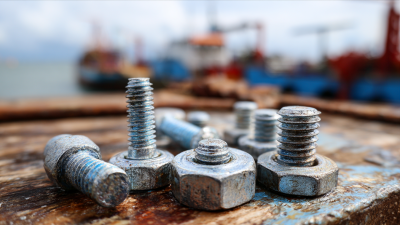
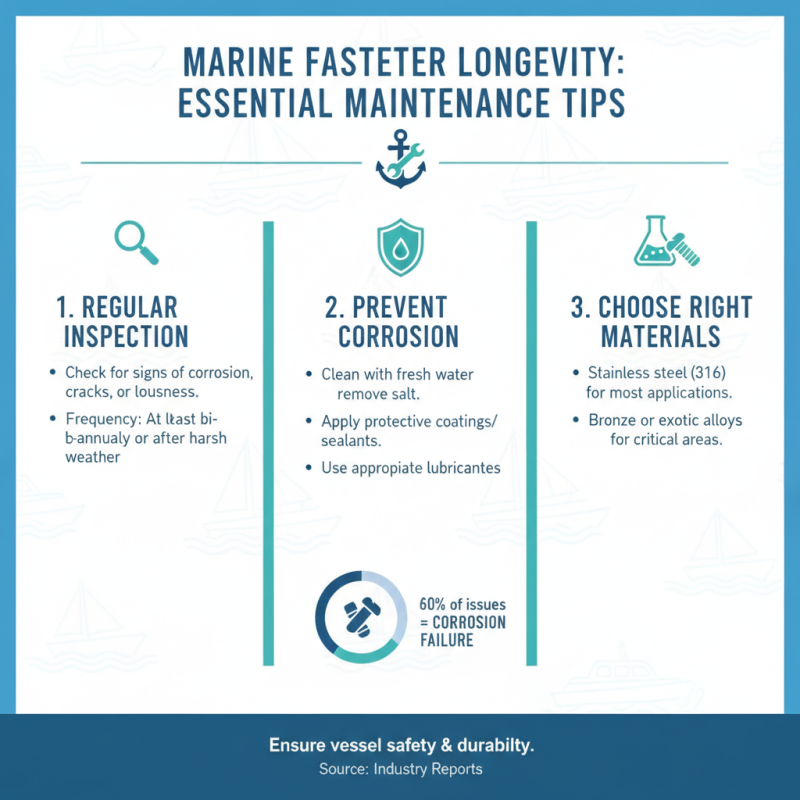
Marine fasteners play a crucial role in the longevity of vessels. The right maintenance practices are key to ensuring they withstand harsh marine environments. Regular inspection is essential. Corrosion can reduce their strength significantly. According to industry reports, nearly 60% of maintenance issues stem from fastener failures linked to corrosion.
Proper cleaning is just as vital. Use fresh water to remove salt deposits. This simple step can prevent rust formation. Experts recommend inspecting fasteners every three months, especially in coastal areas. This frequency can help catch any wear early. Additionally, applying protective coatings can extend their lifespan. Coatings reduce exposure to harmful elements.
It's not just about replacement. Education and training greatly impact maintenance efforts. Crew members should understand the materials used. Not all fasteners are created equal. For instance, stainless steel fasteners resist rust better than others. However, they require ongoing care to maintain their integrity. Awareness of specific fastener types can influence long-term vessel performance.