2026 Top Tee Nuts Buying Guide for Global Purchasers
When it comes to furniture assembly and woodworking, Tee Nuts play a crucial role. These small, yet significant fasteners provide a reliable anchor for bolts and screws, ensuring strong joints in various applications. Understanding the nuances of Tee Nuts is essential for makers and buyers alike.
The 2026 Top Tee Nuts Buying Guide aims to empower global purchasers. It offers insights into the different types and materials available in the market. While some options may seem similar, the right choice can drastically improve the final product’s durability and performance.
As you navigate the buying process, consider quality, size, and compatibility. Are the Tee Nuts suitable for your project’s specific needs? A thoughtful selection can save time and resources. However, it’s easy to overlook these details, leading to potential issues down the line. Ensure a thorough evaluation to make informed decisions that can enhance your woodworking projects.
Understanding Tee Nuts: Definition and Applications
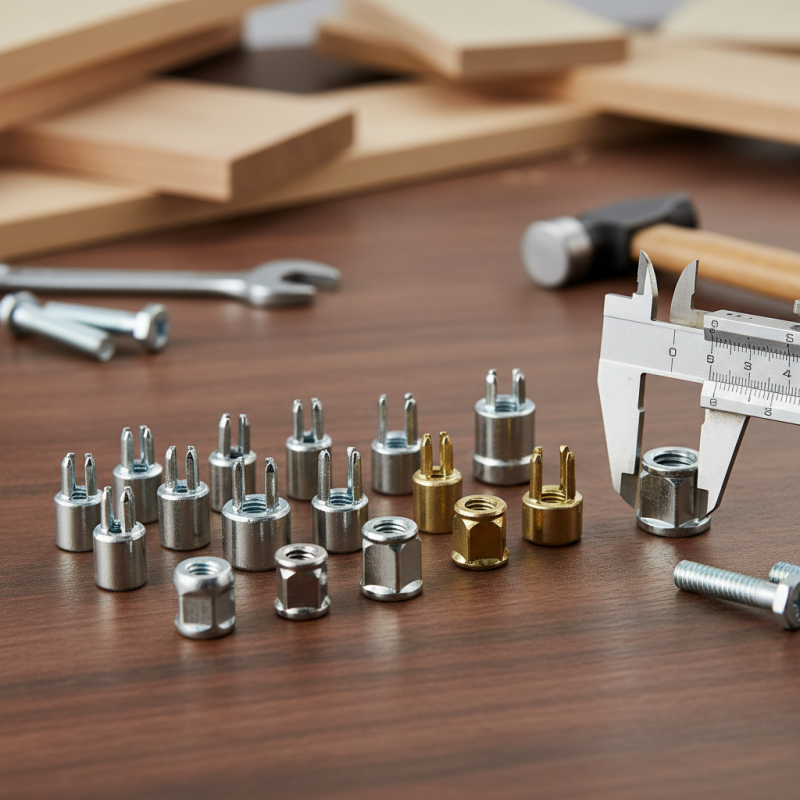
Tee nuts, also known as insert nuts, are essential fasteners in woodworking and furniture assembly. They have a cylindrical shape with internal threads for screws. Typically made from steel, stainless steel, or brass, they provide strong support. According to recent industry reports, the demand for tee nuts has increased significantly, driven by the expanding furniture market and construction sectors.
These nuts are particularly popular in applications where a strong and stable joint is crucial. In woodworking, they allow for easy adjustments and repairs. Manufacturers often use tee nuts in softwood and hardwood projects. Furthermore, a study by the Global Fastener Association (GFA) indicates that the global tee nuts market is poised for growth, projected to reach $450 million by 2026. Many users appreciate tee nuts for their reliability, but improper installation can lead to issues like loosening over time. This could raise questions about their long-term performance in critical applications.
Tee nuts come in various sizes and shapes to meet specific needs. Not all tee nuts are equal, and selecting the right type can be challenging. Some may overlook the importance of choosing materials based on environmental conditions. This can lead to corrosion or failure in harsh settings. Detailed research and expert advice can guide purchasers in making better decisions for their projects.
Key Factors to Consider When Buying Tee Nuts
When choosing tee nuts, several key factors should guide your decision. First, consider the material. Tee nuts come in various materials like steel, stainless steel, and plastic. Each has its durability and rust resistance. Steel is strong, while plastic is lightweight and resistant to corrosion. Assess your project's needs carefully before making a selection.
Pay attention to the size and thread type. Sizes vary widely, and choosing the wrong one can lead to installation issues. Ensure the thread type matches the screws you intend to use. This attention to detail can save time and frustration later on.
Tips to remember: Always verify the specifications against your needs. Don't hesitate to ask suppliers about their products' durability and performance under stress. Also, reflect on the total cost of ownership. A lower-priced option may not always be the best choice if it leads to frequent replacements. Prioritize reliability over initial savings to ensure long-term success in your projects.
Types of Tee Nuts and Their Specific Uses
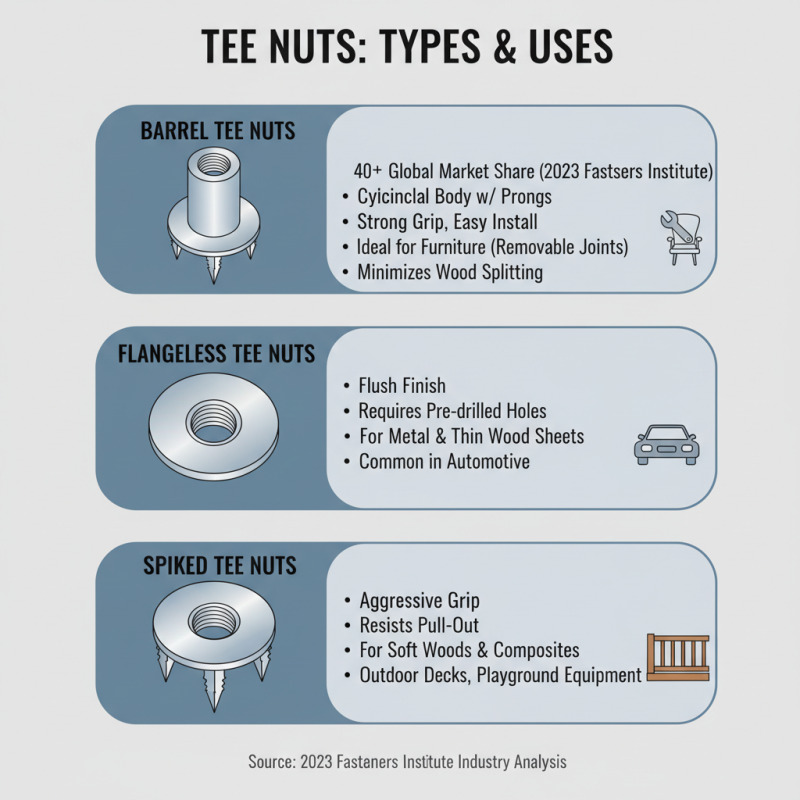
Tee nuts, essential in woodworking and metalworking, come in varied types tailored for specific tasks. According to a 2023 industry analysis by the Fasteners Institute, barrel tee nuts dominate over 40% of the global market due to their strong grip and easy installation. These nuts feature a cylindrical body with prongs, suitable for furniture assembly where secure yet removable joints are needed. Their design minimizes wood splitting under pressure.
Flat tee nuts have a slim profile, often used in thin panels or laminated surfaces. Data from the Global Hardware Report 2022 shows flat tee nuts’ demand rising by 15% annually, driven by increased applications in lightweight construction and interior fixtures. They offer a flush finish, making them ideal where aesthetics matter. However, their holding power can falter under heavy loads, requiring extra caution during use.
Four-pronged tee nuts provide enhanced stability, especially for outdoor decking and heavy machinery fixtures. The International Fasteners Survey highlights their resistance against pull-out forces, making them preferred in industrial applications. Despite their strength, installation can be challenging without proper tools. Reflecting on these factors can guide purchasers to match tee nut types with project needs precisely, balancing ease of use and performance.
Top Brands and Manufacturers of Tee Nuts in 2026
In 2026, the global market for tee nuts is poised for significant growth. With increasing demands in construction and furniture manufacturing, the industry is expanding rapidly. According to a recent market research report, the global tee nuts market is projected to reach USD 300 million by 2026, reflecting a compound annual growth rate (CAGR) of 5.2% from 2022 to 2026.
Key players in the market include various manufacturers known for their quality standards. Many of these firms emphasize durable materials and innovative designs. Data suggests that companies focusing on eco-friendly production processes are increasingly gaining traction among consumers. Additionally, the integration of advanced technologies in manufacturing is a noteworthy trend. This not only enhances product durability but also improves precision in design.
Despite these advancements, challenges remain. Suppliers often face raw material shortages. This can lead to price fluctuations and delays in product availability. Moreover, competition is increasing as new brands enter the market. Established brands must continuously innovate to maintain their market position. This dynamic landscape requires careful evaluation by global purchasers to make informed decisions.
Tips for Ensuring Quality and Durability in Tee Nuts
When selecting tee nuts, focusing on quality and durability is crucial. A well-manufactured tee nut can withstand significant pressure and frequent use. Look for materials that resist rust and corrosion. Steel and stainless steel are often preferred for strength. However, notice that even high-quality materials can wear if exposed to moisture. Consider the environment where the tee nuts will be used.
Another important aspect is the design. Ensure the threads are uniform and deep enough for a secure grip. A poorly threaded tee nut can cause failure in structures. It’s essential to check for any imperfections in the surface finish as well. These details may seem trivial but can greatly affect performance.
Additionally, it helps to source from reputable suppliers. Reading reviews and asking for recommendations can bring insight. However, even reputable brands may not be immune to occasional defects. Remain critical and inspect each batch you receive. Proper storage and handling also play a role in preserving quality over time. Be mindful of how the tee nuts are stored.
2026 Top Tee Nuts Buying Guide for Global Purchasers
| Material Type |
Coating Type |
Size (dimension) |
Load Capacity |
Durability Rating |
Price Range (USD) |
| Steel |
Zinc Plated |
M8 |
800 kg |
4/5 |
$0.10 - $0.20 |
| Stainless Steel |
None |
M10 |
1000 kg |
5/5 |
$0.25 - $0.35 |
| Aluminum |
Anodized |
M6 |
600 kg |
3/5 |
$0.15 - $0.25 |
| Plastic |
N/A |
M5 |
300 kg |
2/5 |
$0.05 - $0.10 |