2026 Best Expansion Shell Anchorage Options for Global Buyers?
As we look ahead to 2026, the demand for reliable Expansion Shell Anchorage options is on the rise among global buyers. According to industry reports, the global market for anchorage systems is expected to grow at a CAGR of 4.6%, reaching $2.5 billion by 2026. This growth reflects the increasing necessity for effective anchorage solutions across various construction and engineering sectors.
Expansion Shell Anchorage systems provide essential support in concrete applications. Their design ensures a secure grip, enhancing structural integrity. They are widely used in sectors including construction, oil and gas, and marine applications. However, not all anchorage solutions are created equal. The challenge lies in selecting a reliable system that meets specific project requirements. Misalignments or failures in selection can lead to serious safety risks.
Professional experts emphasize the importance of understanding material properties and load capacities. Comprehensive testing and evaluation are crucial for ensuring optimal performance. With multiple options available, buyers need to assess factors like durability, ease of installation, and project specifications. A well-informed choice not only enhances safety but also influences overall project success, urging ongoing reflection on the selection process for effective anchorage solutions.
Introduction to Expansion Shell Anchorage
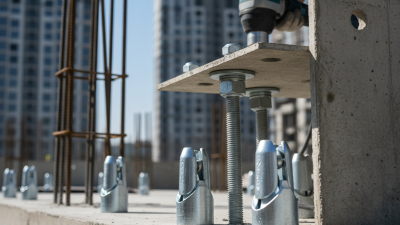
Expansion shell anchorage is a crucial component in the construction and engineering sectors. This system offers effective solutions for securing various structures, ensuring safety and stability. It involves using specially designed anchors that expand once inserted into drilled holes, locking them in place. This mechanism provides a reliable hold in various materials, including concrete and masonry.
The selection of the right type of expansion shell anchorage can significantly impact project outcomes. Buyers should consider factors such as load requirements, environmental conditions, and installation methods. Each type has its strengths and weaknesses, making it essential to analyze specific applications critically. In some cases, inexperienced users may overlook installation guidelines, leading to potential failures. Researching installation best practices helps avoid such pitfalls.
Moreover, the market dynamics also affect the availability of expansion shell anchorage options. Global buyers might face fluctuations in material quality and performance consistency. Staying informed about the latest developments and innovations in this field can aid in making well-rounded decisions. Engaging with experienced professionals and consulting industry standards can enhance overall project integrity. Recognizing the importance of reliable anchorage is vital for long-lasting structures and safety in design applications.
Types of Expansion Shell Anchors Available
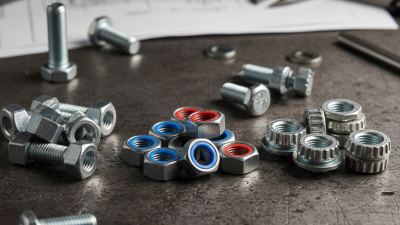
When selecting expansion shell anchors, it's crucial to understand the different types available. These anchors function by expanding as the insert screw is tightened. They provide a reliable fastening method for various applications. Common types include zinc-plated steel anchors, ideal for indoor use, and stainless steel options suitable for outdoor and corrosive environments.
Another popular choice is the hollow wall anchor. This type is designed for use in drywall or plaster surfaces. They spread out behind the wall, providing a secure grip.
Lag shield anchors are also widely used for heavier loads. They work exceptionally well in concrete or masonry surfaces. Each anchor type has its unique strengths and weaknesses.
It’s important to evaluate your specific needs before making a decision. Factors such as load requirements, material types, and environmental conditions play a critical role. Sometimes, the wrong choice can lead to anchor failure. Regularly reassessing your anchor choices can improve safety and performance. Choose wisely to ensure your projects are secure and effective.
Factors Influencing the Choice of Expansion Shell Anchorage
When choosing expansion shell anchorage systems, several factors can significantly influence the decision-making process. The type of material used in the construction is critical. According to a report by the Construction Industry Institute, anchorage failures can occur in 30% of cases due to substandard materials. Buyers should consider systems with high tensile strength and resistance to corrosion, especially in harsher environmental conditions.
Installation ease plays a key role, too. Reports indicate that proper installation can enhance load performance by up to 50%. Systems that are user-friendly can reduce errors. This factor is crucial, as improper installation may lead to ongoing structural issues. Additionally, compliance with regional building codes adds another layer of complexity. Buyers should ensure that selected products align with local regulations to avoid potential legal challenges.
Cost efficiency cannot be ignored. A study by the International Journal of Project Management highlighted that nearly 20% of projects exceed their budget due to poor anchorage choice. Therefore, balancing quality and price becomes vital. High-quality systems might have a higher upfront cost but can lead to lower maintenance expenses over time. Reviewers and experts often stress the long-term benefits of investing in reliable anchorage products, despite initial hesitations related to budget constraints.
2026 Best Expansion Shell Anchorage Options for Global Buyers - Factors Influencing the Choice of Expansion Shell Anchorage
| Material Type |
Load Capacity (kN) |
Installation Method |
Applications |
Cost (USD) |
| Carbon Steel |
50 |
Mechanical |
Concrete Anchoring |
1.50 |
| Stainless Steel |
75 |
Chemical |
Outdoor Structures |
3.25 |
| Aluminum |
40 |
Mechanical |
Lightweight Structures |
2.00 |
| Plastic |
20 |
Expansion |
Temporary Installations |
0.75 |
| Composite |
65 |
Hybrid |
Industrial Applications |
4.00 |
Top Manufacturers for Expansion Shell Anchors in 2026
When it comes to expansion shell anchors, the choice of manufacturer can significantly influence the quality and performance of projects. In 2026, several manufacturers are expected to lead the market with innovative designs and robust materials. Each of these companies brings unique strengths to the table. Their products often meet evolving industry standards, which enhance reliability in construction and engineering applications.
A notable trend is the emphasis on sustainability. Many manufacturers are adopting eco-friendly materials and processes. This shift not only benefits the environment but also meets the growing demand for responsible solutions in construction. However, it's essential for buyers to evaluate if these claims are supported by real data. Some companies may exaggerate their sustainable practices.
User reviews and feedback play a crucial role in determining a manufacturer's reliability. It’s wise to consider both positive and negative experiences shared by previous customers. This approach can help buyers make informed decisions. While the focus might be on known brands, smaller manufacturers often offer competitive products with equal quality. Ultimately, research and due diligence are key in selecting the right expansion shell anchor for your specific needs.
Considerations for Global Buyers When Selecting Anchors
When selecting expansion shell anchors, global buyers face unique challenges. The market for anchoring solutions is vast, with a variety of products available. Recent reports indicate that the global anchoring systems market is projected to reach $12.5 billion by 2025. Understanding specific needs is crucial.
Buyers must consider several factors. First, the substrate material significantly affects the anchor's performance. Different surfaces require tailored solutions, from concrete to masonry. According to industry surveys, 70% of construction failures stem from improper anchoring. Selecting the right anchor can prevent costly repairs and delays.
Another consideration is load requirements. Loads must be accurately assessed to determine the right anchor type. A report from a leading construction consultancy notes that 40% of project managers underestimate load specifications. This can lead to anchor failure and project setbacks. Identifying materials and ensuring correct installation is essential in maintaining structural integrity.