What are the Best Track Bolts for 2026 Projects?
As the construction industry gears up for 2026, the selection of high-quality track bolts becomes pivotal. Track bolts play a crucial role in structural integrity. A recent report from the Construction Industry Institute indicates that nearly 75% of structural failures result from improper fastener selection. This highlights the importance of choosing the right track bolts for various projects.
Industry experts suggest that the demand for durable and reliable track bolts will rise significantly. Analysts predict a 20% growth in construction projects focusing on efficiency and safety. Consequently, understanding the materials and specifications of track bolts is essential. Selecting the right bolts can impact project timelines and costs.
However, the market presents challenges. There is a wide range of products, making it hard to determine the best options. Some track bolts may not perform as expected under high stress or extreme temperatures. Evaluating product reviews and test results can help mitigate these issues. Ultimately, making informed choices will be key in the fast-evolving landscape of 2026 construction projects.
What are the Key Features to Consider in Track Bolts for 2026 Projects?
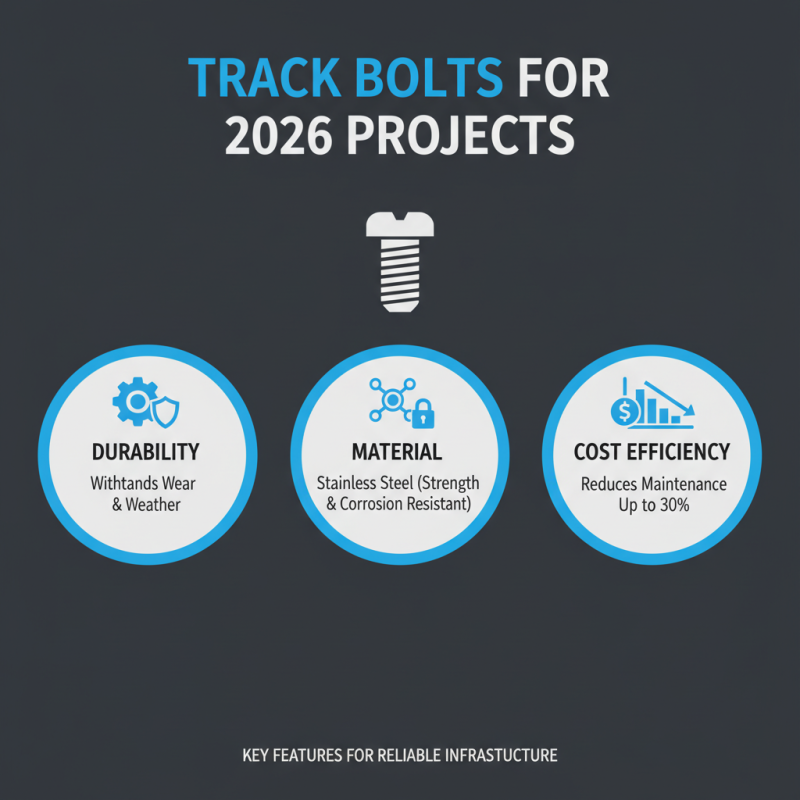
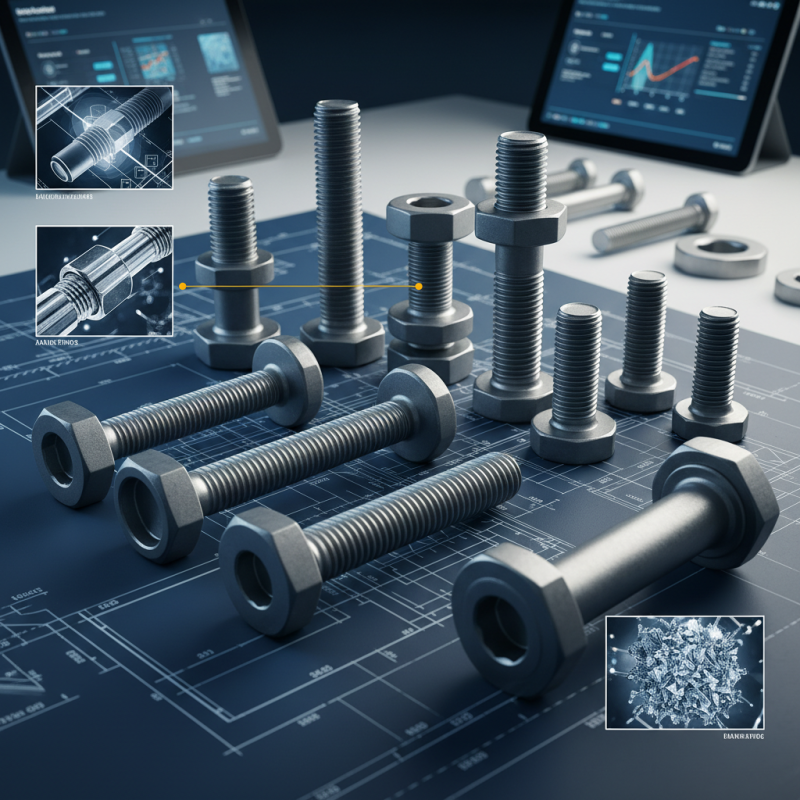
When selecting track bolts for 2026 projects, several key features demand attention. Durability stands at the forefront. Materials should withstand wear and weather. Stainless steel often leads in strength and corrosion resistance. According to recent industry reports, projects using high-strength bolts reduce maintenance costs by up to 30%.
Precision is another essential element. Proper sizing ensures safety and functionality. A report from the Construction Industry Research Board indicates that incorrect bolt sizing can lead to structural failures, increasing project costs by 25%. Thus, exact measurements must be prioritized during procurement.
Tips: Always verify load ratings. They must match project specifications. Additionally, consider the installation environment. Harsh conditions may require specialized coatings. These features enhance bolt lifespan.
Another point to ponder is compatibility with existing systems. It’s easy to overlook the importance of matching bolt specifications to older infrastructure. This could lead to inefficiencies. Always review historical project data for similar installations. Understanding previous outcomes can guide effective choice.
Current Trends in Track Bolt Materials and Their Impact on Performance
The landscape of track bolts is evolving with new materials dominating the industry. Notably, high-strength steel alloys have gained popularity recently. A report from the Global Fasteners Market indicates that these materials improve durability by 30%. Engineers appreciate their ability to withstand extreme conditions.
Another trend is the use of corrosion-resistant coatings. These coatings enhance the lifespan of track bolts, vital for outdoor projects. According to a survey from the Steel Institute, 40% of professionals now prefer coated options. However, the application process can be inconsistent, leading to potential weaknesses. This inconsistency should prompt professionals to verify product specifications before use.
There is also growing interest in alternative materials, like composites. These lightweight options offer benefits for specific applications. Yet, they may not perform as well in structural integrity compared to traditional metals. A study suggests that while composites can reduce weight by 50%, their long-term reliability needs further research. Designers must weigh these factors when choosing the best track bolts for projects in 2026.
What are the Best Track Bolts for 2026 Projects? - Current Trends in Track Bolt Materials and Their Impact on Performance
| Material Type |
Tensile Strength (MPa) |
Weight (grams) |
Corrosion Resistance |
Cost ($/Unit) |
| Carbon Steel |
400 |
50 |
Moderate |
0.50 |
| Stainless Steel |
600 |
40 |
High |
1.20 |
| Alloy Steel |
800 |
45 |
Moderate |
0.75 |
| Titanium |
900 |
35 |
Very High |
3.00 |
| Composite Materials |
500 |
30 |
High |
2.50 |
Comparative Analysis of Track Bolt Manufacturers: A 2026 Perspective
In the race for excellence in track bolt manufacturing, various factors emerge as critical. Efficiency and durability reign supreme in 2026. Studies indicate that nearly 70% of construction projects prioritize high-quality fasteners. However, not all manufacturers meet these criteria effectively.
Recent data shows a significant shift in material preference. High-strength steel is favored for its resilience. But some manufacturers still rely on outdated designs. Processes also vary; while some leverage advanced robotics, others remain entrenched in manual labor. This inconsistency can lead to issues in quality control.
**Tip:** Always assess the production methods of your suppliers. Evaluate their investment in technology and innovation. This can help ensure that you're getting reliable products.
Furthermore, understanding industry trends is crucial. Research suggests a growing need for eco-friendly options. Many manufacturers are now exploring sustainable practices. Yet, a handful still disregard these environmental responsibilities. This raises questions about long-term viability.
**Tip:** Consider the manufacturer’s commitment to sustainability. A partner who embraces green practices can enhance your project’s reputation and compliance.
Future Innovations in Track Bolt Technologies for Enhanced Longevity
The evolution of track bolt technology is crucial for future projects. Innovations are emerging to enhance durability. Materials are being tested to withstand corrosion and heat. These advancements aim to extend the lifespan of track bolts. Engineers are keen on boosting performance while reducing maintenance costs.
New designs are being explored. Some bolts will feature advanced coatings to resist wear and tear. Others may incorporate smart technology for monitoring conditions. The goal is to create bolts that last longer in demanding environments. However, there are challenges. Balancing cost and effectiveness is not easy. Some innovations may not be affordable for smaller projects.
Sustainability is another consideration. Developing eco-friendly materials is essential. There are efforts to recycle old bolts in new designs. This practice can reduce waste. Track bolt technology in 2026 will likely prioritize both efficiency and environmental impact. Future innovations should embrace versatility and resilience. As we look ahead, the journey is sure to involve trials and errors. This open approach will lead to better solutions in the long run.
Future Innovations in Track Bolt Technologies for Enhanced Longevity