How to Choose the Best Mushroom Head Bolts for Your Needs?
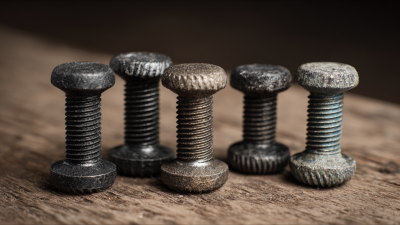
When selecting the right Mushroom Head Bolts for specific applications, it’s crucial to consider various factors. The fastener industry reports that over 30% of mechanical failures are attributed to incorrect bolt selection. This highlights the significance of choosing the best design and material. Mushroom Head Bolts offer a unique profile, providing increased surface area for load distribution. This can enhance stability in various structures.
Materials such as stainless steel and carbon steel are commonly used for Mushroom Head Bolts. Each material presents unique advantages, depending on factors like corrosion resistance and tensile strength. According to recent industry analyses, stainless steel bolts can outperform their carbon counterparts in environments exposed to moisture.
Choosing the right Mushroom Head Bolt is not just about aesthetics; it’s about functionality and reliability. Inappropriate selections can lead to safety risks. Thus, understanding your project's specific needs is essential. Balancing performance with cost considerations may present challenges. However, investing time in this decision can significantly impact long-term outcomes.
Types of Mushroom Head Bolts Available in the Market
When choosing mushroom head bolts, consider the types available. Mushroom head bolts feature a convex-shaped head, offering unique advantages. Their design allows for a larger surface area. This can help distribute loads evenly, reducing stress on materials.
Common types of mushroom head bolts include those made from stainless steel and carbon steel. Stainless steel offers corrosion resistance. It’s ideal for outdoor applications. Carbon steel, on the other hand, provides strength and durability for high-stress situations. Often, finishes such as zinc plating enhance protection.
You'll find that not all mushroom head bolts meet every need. Some may not handle extreme temperatures well. It's crucial to assess the specific environment and load conditions. Verify the specifications, as subtle differences can impact performance. Conducting thorough research can help ensure the right choice.
How to Choose the Best Mushroom Head Bolts for Your Needs?
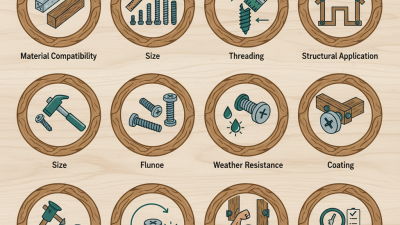
This chart illustrates the distribution of various types of mushroom head bolts and their corresponding applications. Each type serves unique purposes based on its dimensions and materials, guiding users in selecting the appropriate bolt for specific projects.
Material Considerations for Mushroom Head Bolts
When choosing mushroom head bolts, material considerations are crucial. The type of material used significantly impacts the bolt's strength and resistance to corrosion. Common materials include stainless steel, carbon steel, and alloy steel. Stainless steel offers excellent corrosion resistance, making it suitable for outdoor or marine applications. A study by ASTM International highlights that stainless steel bolts can withstand harsh environments much better than their carbon steel counterparts.
Carbon steel bolts, while generally stronger, are prone to rusting when exposed to moisture. This can lead to premature failure. Alloy steel provides a balance between strength and durability. According to a report by the Fastener Quality Act, properly treated alloy steel bolts can achieve tensile strengths of up to 120,000 psi. However, the cost of alloy steel can be a drawback for some projects.
In conclusion, understanding the application's environment is essential. A construction project in a humid area might require stainless steel bolts. Alternatively, alloy steel could be ideal for mechanical applications with minimal exposure to moisture. Each material has its pros and cons, which should be reflected on during the selection process. Ultimately, the right choice enhances performance and longevity.
Size and Thread Specifications to Consider
When selecting mushroom head bolts, size and thread specifications are crucial. The diameter of the bolt affects its strength and compatibility with various applications. A standard size might work for one project, but may be inadequate for another. Measure the area where the bolt will be used. This simple step can prevent costly mistakes and ensure the right fit.
Thread specifications also play a significant role. Coarse threads are more suitable for soft materials, while fine threads can provide better adjustments in harder materials. This selection process requires experience and attention to detail. It's not uncommon to overlook these specifications, leading to improper fastening. Consider the material and load requirements of your project. Match these elements with the right thread type.
Reflecting on these details can save you from future repairs. Each choice influences the overall success of your project. In your quest for the best mushroom head bolts, focus on specifics like size and thread. Balancing these elements will enhance durability and reliability. Taking time to confirm your needs is essential.
Applications and Uses of Mushroom Head Bolts
Mushroom head bolts serve a wide range of applications across various industries. Their unique design includes a broad, rounded head. This feature allows for increased surface area, distributing load effectively. In construction, these bolts are favored for attaching wood components. They help in securing joints without splitting the wood.
In automotive and machinery, mushroom head bolts play a critical role. They're used to fasten panels and frames. Their reliability withstands vibrations, ensuring stability under varying conditions. Reports indicate that the global fastener market is projected to reach $110 billion by 2025. This growth underscores the increasing demand for robust fastening solutions.
While mushroom head bolts are versatile, there can be challenges. Choosing the right material is essential for corrosion resistance. Stainless steel offers durability, but may not be suited for all environments. Users often overlook specific requirements, leading to unexpected failures. Reflecting on these details can help prevent costly mistakes.
Factors Influencing the Choice of Mushroom Head Bolts
When selecting mushroom head bolts, several crucial factors come into play. Material choice is vital, as different applications require specific strengths and resistances. For example, stainless steel bolts offer excellent corrosion resistance, making them ideal for outdoor use. In contrast, carbon steel bolts provide great tensile strength, better suited for heavy-load applications. According to industry data, over 70% of fastener failures are linked to poor material selection.
Another significant aspect is the bolt size. Proper sizing ensures optimal load distribution and minimizes the risk of failure. Inadequate sizing can lead to issues like stripping or shearing. It's important to consult the manufacturer's guidelines for specifications and tolerances.
**Tip:** Always consider the environment where the bolt will be used. Factors like temperature, humidity, and exposure to chemicals can greatly affect bolt performance.
Further, thread type should not be overlooked. Fine threads offer greater strength in tension, while coarse threads excel in shear strength. End-users often choose threads based on specific performance criteria. Despite the detailed choices available, many users report uncertainty about thread selection, indicating a need for better education on fastening technologies.
**Tip:** If in doubt, seek advice from professionals. They can provide insights based on experience and testing data to ensure the right choice.