How to Choose the Right Dock Washers for Your Needs?
Choosing the right dock washers can be a challenging task for many. As noted by industry expert James Carter, "Not all dock washers are created equal." This highlights the importance of understanding specific needs when selecting dock washers.
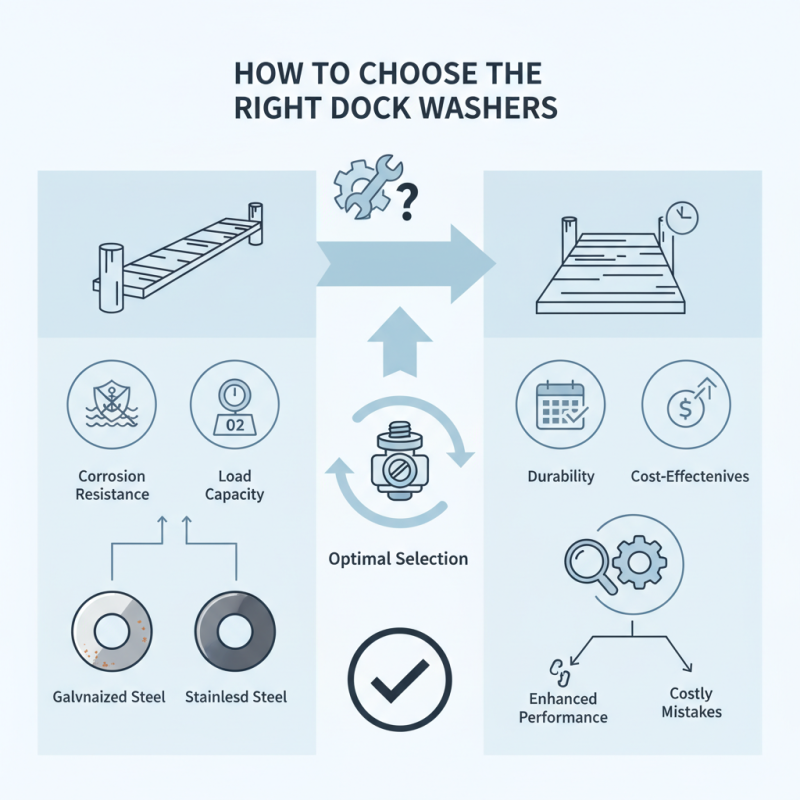
Dock washers come in various sizes and materials. Each type serves unique purposes. For instance, galvanized washers are preferred for their corrosion resistance. However, they are not always the best choice for every environment. Users must consider factors like load capacity and exposure to elements.
It's easy to overlook details when making a decision. Yet, the right choice can enhance durability and performance. Misjudgments here can lead to costly mistakes down the line. Taking the time to evaluate options will yield better results. Proper selection of dock washers ensures safety and longevity in your projects.
Understanding the Types of Dock Washers Available in the Market
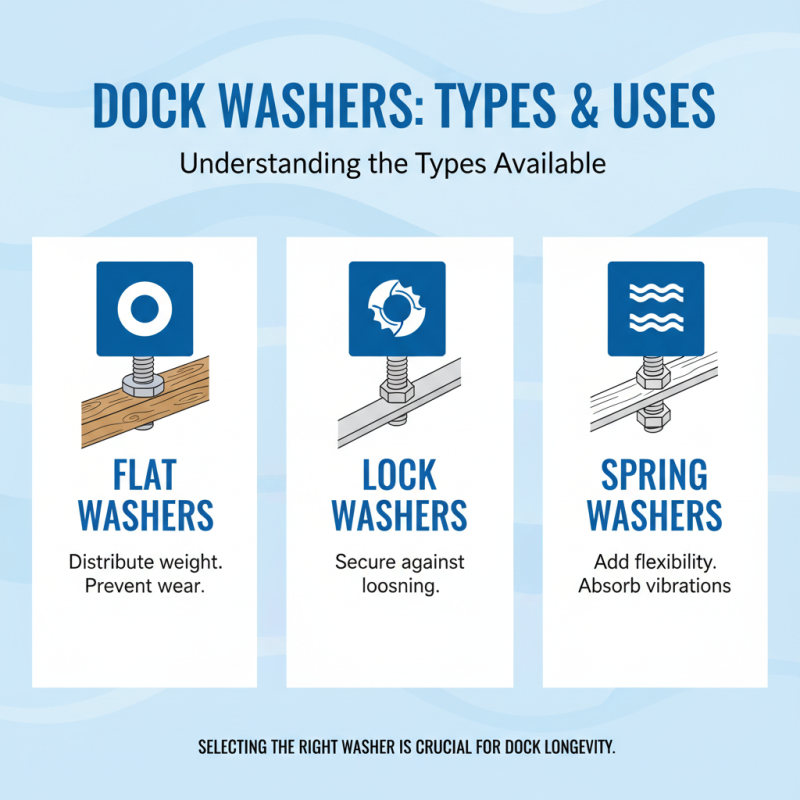
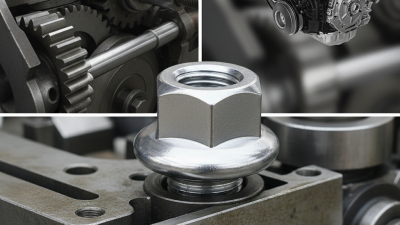
When selecting dock washers, understanding the types available is key. There are several primary categories, each serving distinct needs. The most common options include flat washers, lock washers, and spring washers. Flat washers distribute weight evenly and prevent wear. Lock washers secure bolts against loosening. Spring washers add flexibility, absorbing vibrations that can occur on docks.
Market reports indicate that the demand for dock washers is steadily increasing, with a projected growth rate of 5.4% annually through 2028. This growth suggests a heightened need for durable and reliable materials. Most dock washers are made from stainless steel or galvanized steel, both designed to resist corrosion. However, not every dock environment is the same. Factors such as exposure to saltwater or heavy machinery can affect the choice of material and washer type.
Users often overlook the importance of proper sizing. A washer that is too small may fail, while one that is too large could lead to instability. Evaluating load requirements and environmental conditions is essential. The right washer choice will ensure the safety and efficiency of your docking operations, but the wrong one can result in costly repairs and downtime. Taking time to understand your specific needs can help avoid these issues.
Factors to Consider When Selecting Dock Washers for Your Project
When selecting dock washers, various factors warrant your attention. The environment in which you operate is crucial. Marine locations often expose materials to moisture and salt. According to a study by the American Society of Mechanical Engineers, corrosion resistance is a major consideration. Stainless steel offers durability but may be pricey compared to carbon steel.
Load capacity is another significant factor. Depending on your project, the right washer must support the intended weight. A report from the National Institute of Standards and Technology explains that excessive loads on inadequate washers can lead to failures. Additionally, consider the washer diameter and thickness. These dimensions directly impact the load distribution, affecting the overall stability.
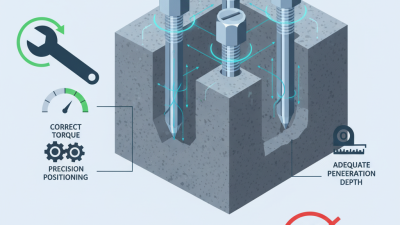
Installation ease is also important. Complicated setups can lead to installation errors. Reviewing detailed guidelines can improve the selection process. It's worth reflecting on past projects. Were the wrong specifications chosen? Did the installation lead to future adjustments? These reflections can guide better decisions for future projects. Each choice should align with your specific needs and operational environment.
Evaluating Material Durability and Performance of Dock Washers
Choosing the right dock washers requires careful consideration of material durability and performance. Different materials offer unique benefits. For instance, stainless steel is known for its corrosion resistance. It is a popular choice in marine environments. On the other hand, plastic washers are lightweight and resist rust, but might not hold up under heavy loads.
Tips: Always check load specifications. Know the environment where the washers will be used. Some materials can degrade under certain chemicals or temperatures. Consider temperatures that impact performance over time.
Copper washers are another option. They offer excellent conductivity and strength, suitable for specific applications. However, they can corrode quickly in humid environments. Reflect on the trade-offs among materials. Choosing a dock washer isn't just about price. Performance and durability in your specific setting matter greatly.
Tips: Regular inspections can help identify wear and tear. Don't overlook the importance of quality. A small investment in better materials can save larger costs down the road. The right choice will enhance your dock’s longevity.
Durability and Performance of Different Dock Washer Materials
Sizing and Compatibility: Ensuring the Right Fit for Your Dock
When selecting dock washers, sizing and compatibility are crucial.
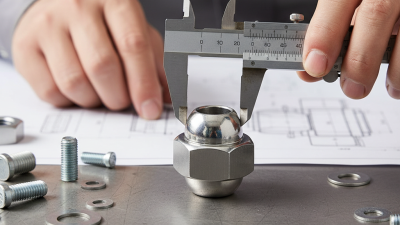
A washer that doesn't fit well can lead to leaks or instability. Measure the diameter of the dock hardware and the thickness of the dock itself. Ensure the washer's dimensions accommodate these measurements to maintain functionality.
Tip: Always double-check the specifications before purchasing. A slight miscalculation can lead to frustrating installation issues. If possible, consult with professionals or experienced users to gain insights on sizes and compatible materials.
In addition, consider the environmental conditions where the dock is located. Factors like water salinity, temperature, and exposure to elements can affect compatibility. Choose washers that provide optimal performance for your specific conditions.
Tip: Don’t overlook the importance of material selection. Stainless steel may offer corrosion resistance, while rubber could provide better support. Weigh the pros and cons based on your unique needs. A thoughtful choice now can save you from costly repairs in the future.
Cost Considerations and Budgeting for Dock Washer Purchases
When budgeting for dock washers, consider the initial cost along with long-term expenses. Different models may have varying prices based on material quality. Stainless steel washers tend to be more expensive but offer increased durability. Choosing cheaper alternatives might save money upfront but could lead to higher replacement costs later.
Think about the maintenance costs involved too. Some dock washers need regular servicing which can add to your budget. It’s essential to factor in these hidden expenses. Assessing your actual needs can also help. For example, if you're in a maritime environment, investing in corrosion-resistant washers may be cost-effective in the long run.
Remember to account for shipping and installation fees. These can significantly impact your budget. You might find a good deal on the washer itself, but high shipping fees can erode those savings. Careful planning can help avoid unexpected financial strains. Prioritize durability and performance to make the most of your investment.
How to Choose the Right Dock Washers for Your Needs? - Cost Considerations and Budgeting for Dock Washer Purchases
| Type of Dock Washer |
Material |
Size (inches) |
Load Capacity (lbs) |
Average Price ($) |
| Flat Washer |
Stainless Steel |
1.0 |
500 |
0.50 |
| Spring Washer |
Carbon Steel |
0.75 |
350 |
0.30 |
| Lock Washer |
Steel Zinc Plated |
1.25 |
700 |
0.70 |
| Large Washer |
Aluminum |
2.0 |
1000 |
1.50 |
| Rubber Washer |
Rubber |
1.5 |
300 |
0.20 |