What is a Dome Head Bolt and How is it Used?
Dome head bolts are unique fasteners found in various applications. Their distinctive rounded heads create a sleek appearance while providing superior strength. These bolts are popular in construction, automotive, and machinery. They are designed to handle heavy loads, making them reliable in critical situations.
When using dome head bolts, it’s essential to consider the material and finish. Different materials can affect performance. Steel bolts, for instance, offer great strength but may corrode without proper coating. Stainless steel is resistant to rust but can be more expensive. Understanding the right choice is crucial for durability and safety.
Despite their advantages, dome head bolts can sometimes pose challenges. They require precise installation to ensure optimal performance. Misalignment during installation can weaken their effectiveness. This aspect highlights the importance of expertise when working with these fasteners. By ensuring proper usage, you can maximize the benefits of dome head bolts in your projects.
What is a Dome Head Bolt?
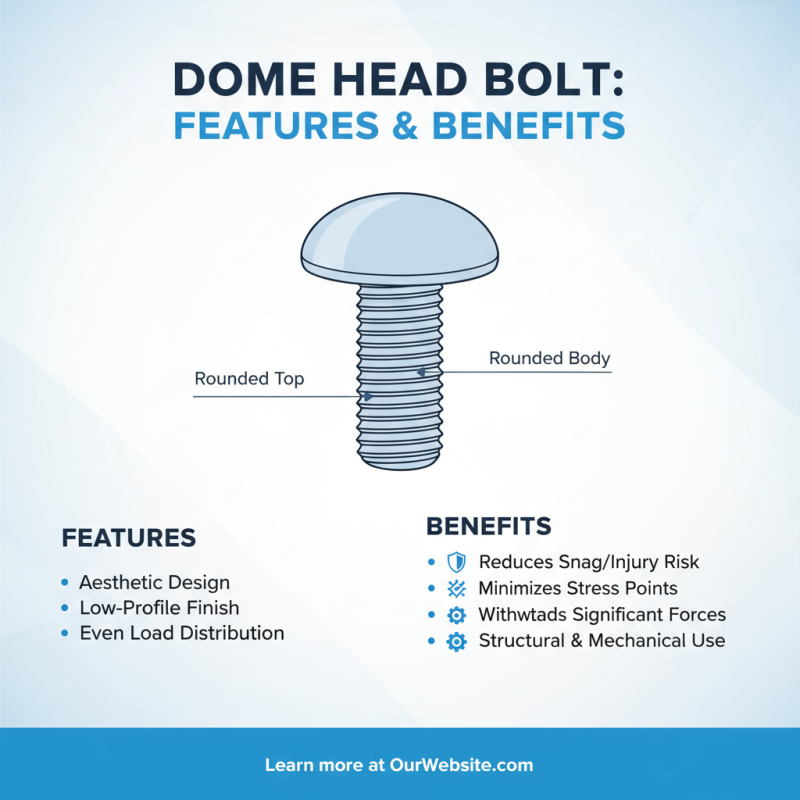
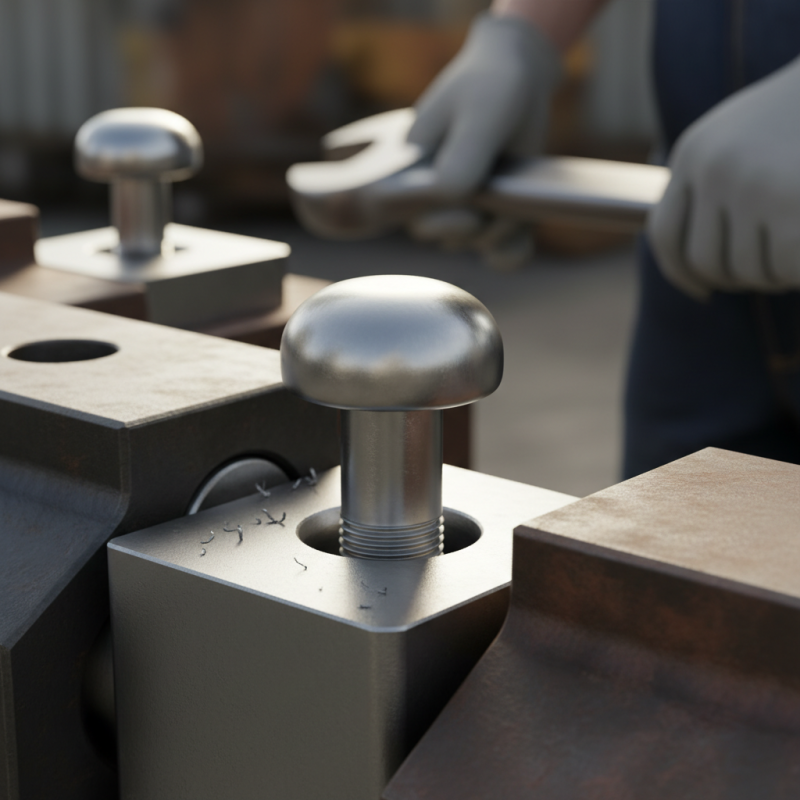
A dome head bolt is a fastener with a rounded top, providing both aesthetic appeal and functional benefits. This design allows for a low-profile finish, reducing the risk of snagging or injury. The dome shape distributes load evenly, minimizing stress points, which enhances durability in various applications. Manufacturers report that dome head bolts can withstand significant forces, making them suitable for structural and mechanical uses.
The unique shape of dome head bolts facilitates easier installation. The rounded head often fits better in confined spaces, allowing for quick assembly. According to industry studies, using dome head bolts can increase efficiency by about 15% in assembly tasks, especially in automotive and construction sectors. However, some users notice that the size of the bolt head can create challenges during rework or adjustments.
Additionally, dome head bolts may present issues in certain environments. Their smooth surface can lead to slippage if not paired with the right washers or threads. In some scenarios, the visual appeal might overshadow practical considerations, like grip and fastening strength. This highlights the importance of understanding the specific requirements of each project before selecting fasteners.
Design Features of Dome Head Bolts
Dome head bolts are designed with a rounded top, providing a unique aesthetic and functional advantage. Their shape allows for efficient load distribution, making them ideal for applications that require a clean look without compromising strength. Research indicates that the rounded head contributes to a lower surface area stress concentration compared to flat head bolts. This can prevent material fatigue over time, especially in high-tension environments.
One notable feature of dome head bolts is their versatility. They are commonly used in construction, automotive, and even aerospace industries. The high-strength materials typically employed enhance their durability and resistance to corrosion. Some industry reports suggest that nearly 70% of structural failures in bolted connections can be traced back to inadequate load-bearing characteristics. Using dome head bolts can mitigate this risk due to their superior design.
However, selecting the right dome head bolt requires careful consideration of application specifics. Factors like the material being fastened and the environment play a critical role. In certain cases, the rounded head may not provide the grip needed for specific applications. Therefore, evaluating the trade-off between aesthetics and functionality is essential. While dome head bolts offer many advantages, understanding their limitations is equally important for optimal performance.
Dome Head Bolt Usage Analysis
Common Applications of Dome Head Bolts
Dome head bolts are widely used in various applications due to their unique design and strong structural integrity. The rounded head provides a smooth surface, making them ideal for aesthetic and functional needs. Commonly, these bolts are employed in construction projects, where strength and appearance matter. For instance, dome head bolts find their place in metal frames and signage. Their ability to bear heavy loads while presenting a clean look is a significant advantage.
In automotive engineering, dome head bolts are crucial. They secure components like engines and body parts. Their rounded heads help reduce the risk of snagging on other parts or surfaces, which can be problematic in tight spaces. The manufacturing process ensures these bolts can withstand vibrations, a common issue in vehicles.
However, choosing the right bolt for the project can be challenging. Some may overlook the importance of material selection, which can lead to rusting or failure. Misjudgments in sizing might also occur, leading to installation errors. It's essential to assess factors such as load requirements and environmental conditions. Understanding these aspects ensures that dome head bolts perform as intended in real-world applications.
What is a Dome Head Bolt and How is it Used? - Common Applications of Dome Head Bolts
| Application |
Description |
Material |
Size Range |
Typical Uses |
| Automotive Industry |
Used to fasten body parts and chassis components. |
Steel or Stainless Steel |
M6 to M20 |
Car assembly, frame structures |
| Construction |
Secures fixtures and fittings in structural applications. |
Carbon Steel, Alloy Steel |
M10 to M24 |
Building frameworks, securing beams |
| Electronics |
Used to assemble and secure electronic components. |
Aluminum or Brass |
M2 to M5 |
Circuit boards, housings |
| Furniture |
Joins different furniture components securely. |
Zinc-Plated Steel |
M5 to M12 |
Chairs, tables, shelving |
| Marine Applications |
Corrosion-resistant fastening in boats and ships. |
Stainless Steel |
M8 to M16 |
Deck fixtures, hardware |
Benefits of Using Dome Head Bolts
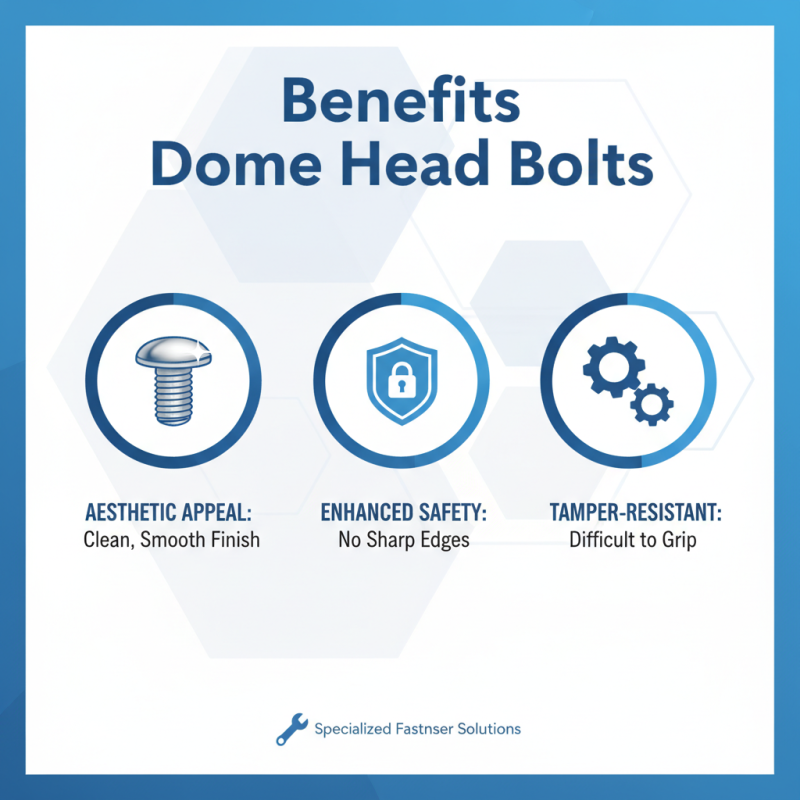
Dome head bolts are a specialized fastener option featuring a rounded top. This design provides several advantages that make them suitable for various applications. One key benefit is the aesthetic appeal they offer. Their smooth, rounded shape creates a clean finish, ideal for visible structures or projects focused on aesthetics.
Another advantage of dome head bolts is their functional durability. The rounded head design helps to distribute pressure evenly across the bolt. This can lead to increased strength and resistance to shearing forces. Additionally, dome head bolts often resist corrosion better than flat-headed alternatives. Their shape allows moisture to run off easily, which can enhance longevity in outdoor environments.
However, the use of dome head bolts does have some considerations. The installation might require specific tools due to their shape. Not every project will benefit from this design, making it important to assess needs carefully. In some cases, alternative fasteners could perform better. Exploring all options is essential to ensure the best choice for your project.
Installation and Maintenance Tips for Dome Head Bolts
Dome head bolts play a crucial role in various industrial applications. Their unique shape allows for a wide load-bearing surface. This reduces the risk of damage to the materials being fastened. Proper installation is vital for ensuring their effectiveness. Industry studies indicate that improperly installed bolts can lead to significant structural failures, emphasizing the need for adherence to installation guidelines.
During installation, it is essential to select the correct torque settings. Studies show that using the right torque can enhance the bolt's holding capability by up to 30%. Regular inspection is crucial as well. A unique feature of dome head bolts is their resistance to corrosion. However, they can still be affected by moisture and chemicals in some environments. Routine maintenance checks should include looking for any signs of wear, rust, or deformation.
While dome head bolts are reliable, occasional oversight can occur. Misalignment during installation is a common issue. This can diminish their performance over time. Keeping a maintenance log can help track inspections. Missed check-ups may lead to costly repairs later on. Understanding the importance of these bolts can significantly enhance their lifespan and effectiveness in various applications.