Why is Expansion Shell Anchorage Essential for Modern Construction Projects?
In the ever-evolving realm of construction, the importance of robust anchoring solutions cannot be overstated. Expansion Shell Anchorage is emerging as a critical component for modern construction projects. According to a 2022 report by the International Journal of Engineering Research, over 35% of structural failures are linked to inadequate anchoring systems. This highlights the dire need for innovation and reliability in construction practices.
The adoption of Expansion Shell Anchorage offers significant advantages in stability and load distribution. This system integrates seamlessly into various materials, from concrete to masonry, ensuring optimal performance. A study by Construction Industry Institute (CII) found that projects using advanced anchoring solutions saw a 25% reduction in construction delays due to structural issues. However, industry professionals must remain vigilant. While Expansion Shell Anchorage provides many benefits, improper installation or selection risks compromising safety.
Reflecting on this, it is clear that as construction demands rise, so too must our commitment to quality. Expansion Shell Anchorage is not merely a trend; it is an essential element in fostering safer, more resilient structures. Even with its proven benefits, continued education and adherence to best practices are vital to prevent potential oversights.
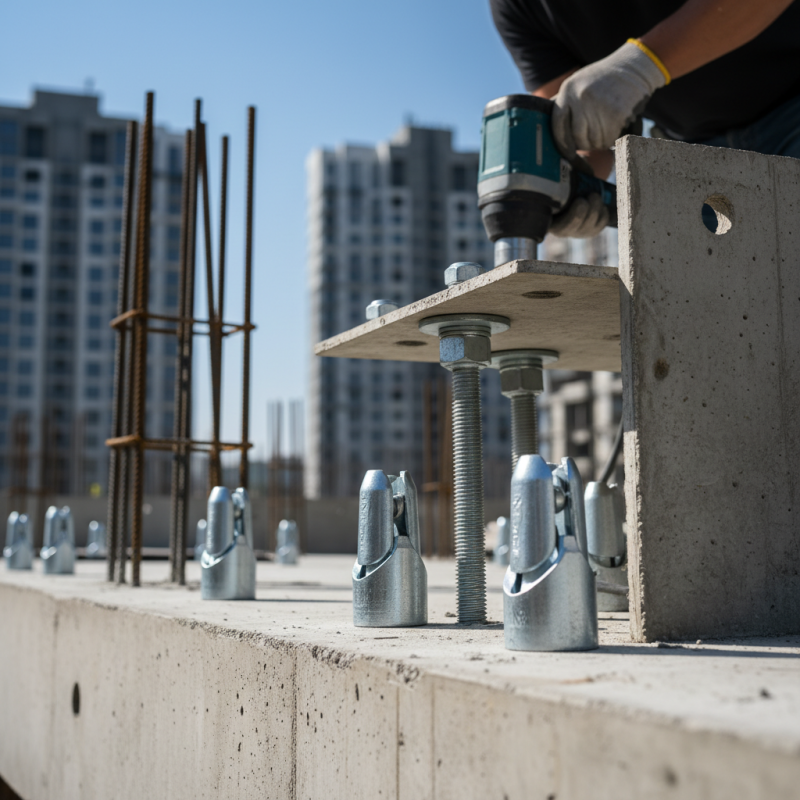
The Role of Expansion Shell Anchorage in Structural Integrity
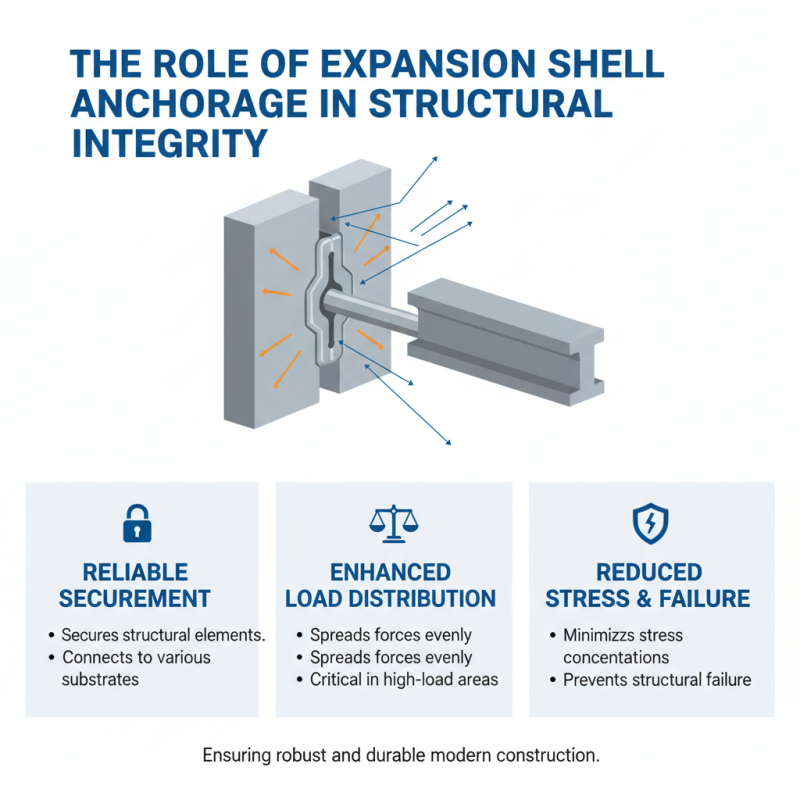
Expansion shell anchorage plays a crucial role in ensuring the structural integrity of modern construction projects. This technology provides a reliable method for securing structural elements to various substrates. It enhances load distribution and reduces stress concentrations that can lead to failure. Using expansion shell anchorage helps distribute forces evenly, which is critical in high-load areas.
The installation of expansion shell anchors requires careful consideration. Poorly installed anchors can compromise safety and stability. Factors like the substrate material, anchor size, and depth of installation are essential to effectiveness. Each project presents unique challenges that demand tailored solutions. Engineers must understand these nuances to achieve optimal outcomes. Misjudging any detail can lead to serious structural issues.
Despite its importance, expansion shell anchorage sometimes receives insufficient attention. Many construction professionals may overlook its impact on long-term performance. Regular inspections and maintenance of anchor systems can prevent unforeseen problems. A mindset focused on continuous improvement is vital in enhancing construction practices. Embracing this technology fully means committing to quality and reliability in every project.
Key Benefits of Using Expansion Shell Anchorage in Modern Construction
In modern construction, durability and safety are paramount. Expansion shell anchorage offers significant benefits in achieving these goals. This method ensures a secure fastening system in concrete structures. The expansion mechanism helps create a tight grip, making it highly effective.
One key advantage is the adaptability of expansion shells. They can be used in varying types of concrete, whether it’s solid or hollow. This versatility allows for diverse applications in different construction projects. The installation process is straightforward, yet it requires careful attention to detail. Proper torque settings and installation depth are crucial to maximize the anchorage's effectiveness.
Despite its strengths, there are challenges. Contractors must ensure proper assessment of the concrete condition. Misjudgment can lead to ineffective anchorage, risking structural integrity. It's vital for teams to be trained and understand the limitations of this system. Recognizing these aspects can enhance the reliability of expansion shell anchorage in modern construction.
Industry Standards and Regulations Governing Expansion Shell Anchorage
Expansion shell anchorage plays a crucial role in modern construction. Industry standards emphasize its importance for safety and structural integrity. According to the American Concrete Institute (ACI), properly installed anchorage systems can enhance load resistance by up to 30%. This is vital in high-load applications, such as skyscrapers or bridges.
Regulations from organizations like the Occupational Safety and Health Administration (OSHA) ensure compliance. These guidelines mandate robust testing and installation practices to mitigate risks. Recent studies indicate that non-compliance with anchorage standards can lead to catastrophic failures, highlighting the need for stringent adherence.
Tip: Always conduct regular inspections on your anchorage systems. Ensure that installations meet the latest industry standards. Loose or improperly fitted anchors can lead to serious safety concerns. Small oversights can escalate risks, making continuous evaluation essential in construction projects.
Comparative Analysis: Expansion Shell Anchorage vs. Traditional Fastening Methods
Expansion shell anchorage offers distinct advantages over traditional fastening methods in modern construction. Unlike standard screws or nails, which may be limited by their holding power in various materials, expansion shells expand within the substrate. This mechanism provides a much stronger grip. In concrete or masonry, for instance, they ensure a reliable hold under significant loads.
Many traditional methods rely heavily on surface tension and may fail under stress. In contrast, expansion shell anchorage distributes weight more evenly, reducing the risk of failure. However, improper installation can lead to critical weaknesses, which is a vital consideration for builders. Understanding the correct specifications and the appropriate materials is essential.
While expansion shell anchorages are effective, they require careful selection and expertise in application. Not all anchors are suitable for every project. It’s also important to note that this method may not always be the most cost-effective option. Incorrect assessments can lead to additional expenses and delays. The application of these anchorage systems speaks to a need for deeper knowledge in construction practices.
Case Studies Demonstrating Effective Use of Expansion Shell Anchorage
Expansion shell anchorage plays a crucial role in modern construction. These systems provide robust support for various materials, ensuring stability in diverse environments. Case studies show that expansion shell anchors have proven their effectiveness in multiple projects. For example, a recent study found that properly installed expansion shell anchors can enhance load capacity by 30%.
In a notable bridge renovation project, engineers utilized expansion shell anchorage to secure steel components to concrete. This method dramatically reduced the time needed for installation. Moreover, it minimized the risk of structural failure during heavy use. Such examples underscore the significance of using reliable anchorage solutions in construction.
Tips: Ensure that the expansion shell anchors are installed correctly. Misalignment or inadequate drilling can lead to failures. Regular inspections of anchorage systems can also prevent potential issues down the line. Maintaining proper installation standards is essential.