What is a Hex Bolt and How to Choose the Right One?
Hex bolts are essential in many construction and engineering projects. Their robust design provides a secure fastening solution, which is why they are widely used. According to industry expert John Smith, “Choosing the right hex bolt can determine the overall integrity of your project.” This statement highlights the importance of understanding hex bolts when selecting fasteners.
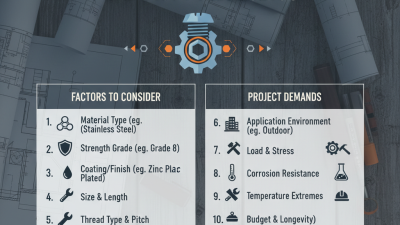
When choosing hex bolts, various factors come into play. One must consider the material, size, and coating. Understanding these elements can be challenging. For example, stainless steel hex bolts resist corrosion but may not be ideal for high-stress applications. Moreover, selecting the wrong size can lead to structural failures. Therefore, knowing the specifications is crucial for reliability.
It's easy to overlook details when selecting hex bolts. However, each decision impacts the project’s success. Sometimes, experience is the best teacher. Reflecting on past choices can lead to better outcomes in future applications. Ultimately, proper selection based on informed judgment is vital for achieving optimal strength and safety.

Understanding Hex Bolts: Definition and Characteristics
Hex bolts are crucial fasteners found in diverse applications. They have a hexagonal head and a cylindrical body, providing superior grip and torque capabilities. Understanding the characteristics of hex bolts can ensure that you choose the right one for your project.
Typically made from carbon steel or stainless steel, hex bolts comply with various industry standards such as ASTM and SAE. These standards outline tensile strength, corrosion resistance, and dimensional accuracy. For instance, a common hex bolt might adhere to ASTM A307 specifications, indicating it can endure a minimum yield strength of 36,000 psi. Such specifications help in selecting bolts suited for high-stress environments, like automotive or construction applications.
Tips: Always consider the environment where the bolt will be used. For outdoor projects, stainless steel may be preferable due to its excellent corrosion resistance. Furthermore, inspect the threads for any damage before installation. Misalignment can lead to bolt failure.
Also, pay attention to the bolt's grade, which reflects its strength and other properties. Lower grade bolts are less expensive, but they may not withstand heavy loads. Conduct a risk assessment; if in doubt, a higher grade bolt could save future headaches.
Types of Hex Bolts: Common Varieties and Applications
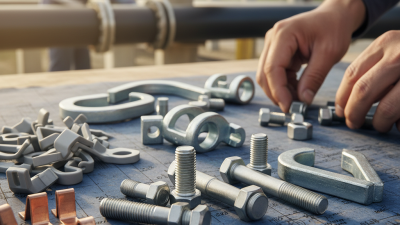
Hex bolts are essential fasteners in many construction and engineering applications. They come in various types, each suited to specific tasks. The most common varieties include standard hex bolts, flange bolts, and shoulder bolts. Understanding these types helps in selecting the right fastener for your project.
Standard hex bolts feature a hexagonal head and are used in a wide array of applications, from machinery to structural assembly. Flange bolts have a built-in washer, which increases load distribution and reduces the chance of loosening. They're ideal for applications with softer surfaces. Shoulder bolts have a smooth, cylindrical section that serves as a pivot point. This makes them suitable for rotating components.
Selecting the right hex bolt isn't just about size. Material plays a crucial role. Steel is common, but stainless steel offers corrosion resistance. Coatings can also affect performance. Accuracy is vital when choosing specifications. A miscalculated selection can lead to unexpected failures in construction.
Key Factors to Consider When Choosing Hex Bolts
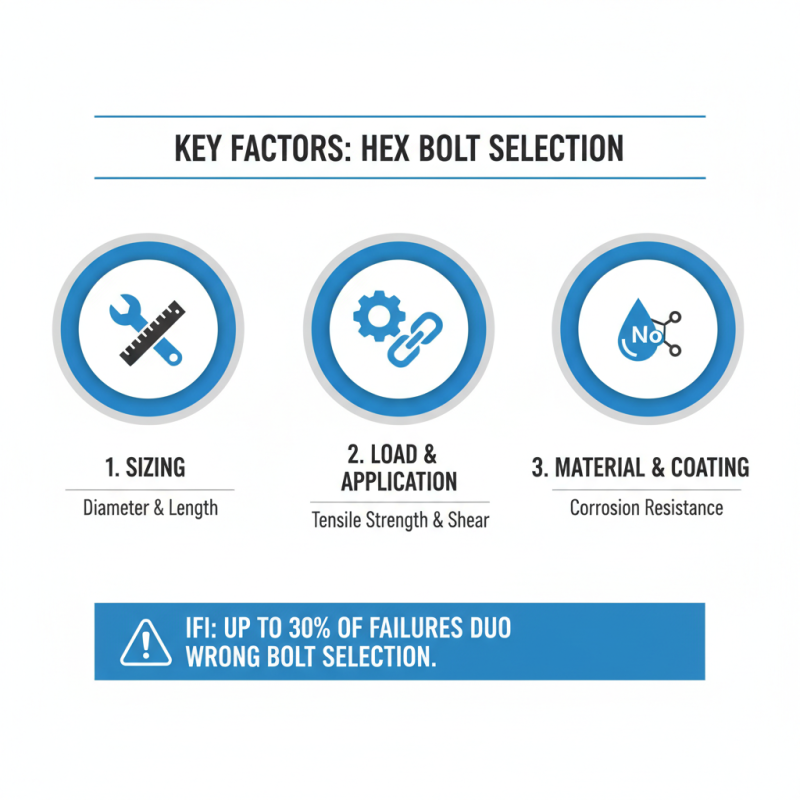
When selecting hex bolts, understanding the key factors is crucial. Proper sizing is essential. The diameter and length should match the application requirements. A mismatch can lead to structural failure. According to the Industrial Fasteners Institute (IFI), improper bolt selection is a common issue, affecting up to 30% of assembly failures in construction projects.
Material choice significantly impacts performance. Common materials include steel, stainless steel, and alloy steel. Each has unique strengths and weaknesses. For instance, stainless steel offers excellent corrosion resistance but can be more brittle under heavy loads. Meanwhile, steel is robust and cost-effective, suitable for various applications. Engineers often overlook these attributes, leading to unexpected challenges.
Bolt grades are another important consideration. They indicate strength and load capacity. A grade 5 bolt, for example, can handle up to 120,000 psi in tensile strength. However, miscalculating the required grade can result in inadequate performance. A thorough understanding of application requirements helps mitigate risks. While the data might suggest a straightforward choice, the reality is often more complex. It requires careful analysis and sometimes even trial and error to find the right hex bolt.
Materials and Coatings: Selecting the Right Durability for Your Needs
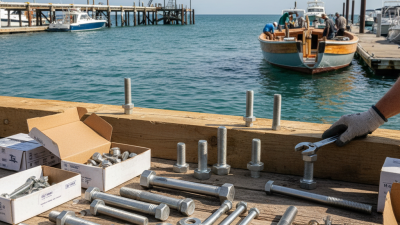
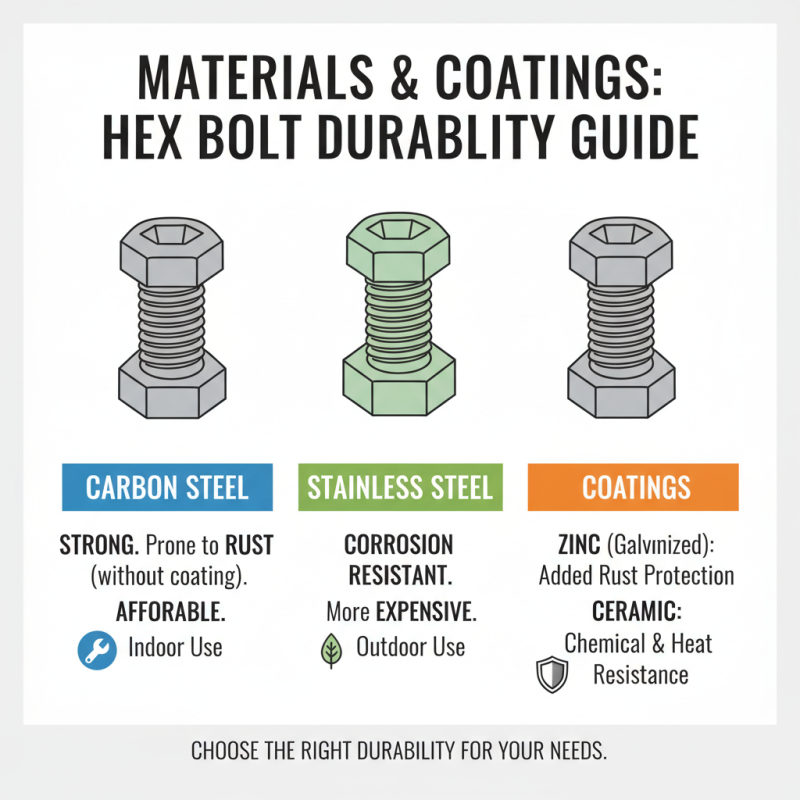
Choosing the right hex bolt involves understanding the materials and coatings that ensure durability. Bolts made from carbon steel offer strength but may rust without proper treatment. Stainless steel bolts resist corrosion effectively, making them ideal for outdoor applications. However, they are often more expensive.
Coatings like zinc plating can enhance the lifespan of a bolt. Zinc acts as a barrier against moisture and oxygen. However, it can chip over time. This weakness might lead to rust if not monitored. Another option is hot-dip galvanization, providing a thicker, more robust coating. Yet, this method can also add weight, which may not suit every project.
Reflecting on your specific needs helps in making the best choice. What environment will the bolt face? Is weight a concern? By considering these questions, you ensure that your selection aligns with both performance and cost. Every project is unique, and the right materials can make a significant difference.
Proper Sizing and Thread Considerations for Hex Bolts
When selecting a hex bolt, proper sizing and thread considerations are vital. Start by measuring the diameter of the bolt. Common sizes range from 1/4 inch to 1 inch. A well-chosen diameter ensures adequate strength for your project.
Thread pitch is another critical factor. This denotes the distance between threads, typically measured in threads per inch (TPI). Coarse threads provide better grip in softer materials. Fine threads are better for harder materials. Take care to match the thread specifications of your existing fasteners.
**Tip:** Always confirm the specifications in your application. Overestimating bolt strength can lead to failures. Underestimating can cause improper fittings.
Consider the length of the bolt as well. It should be long enough to securely hold materials together but not so long that it compromises structural integrity. Adjustments might be necessary.
**Tip:** Utilize a thread gauge for precise measurements. This tool helps confirm the pitch and ensure you get the right fit. Misjudging these factors could lead to costly mistakes.
Hex Bolt Size Distribution
This bar chart represents the distribution of different sizes of hex bolts in inventory. The sizes include M6, M8, M10, M12, M14, and M16, with varying quantities available for each size.