What is a Hexagonal Nut and Its Uses in Construction and Engineering
Hexagonal nuts are essential fasteners widely employed in construction and engineering, characterized by their six-sided shape that facilitates secure and efficient assembly. According to a report by the Global Market Insights, the hexagonal nuts market is projected to reach $11 billion by 2027, driven by the growing demand in the building and infrastructure sectors. The versatility and reliability of hexagonal nuts make them a staple in various applications, from simple household projects to complex industrial constructions.
Industry expert Dr. Emily Foster emphasizes the importance of hexagonal nuts in structural integrity, stating, “The use of hexagonal nuts is critical in ensuring that components are securely fastened, thereby maintaining the safety and longevity of any engineering project.” This statement highlights not just the functional role of hexagonal nuts, but also their contribution to overall safety standards in construction. With advancements in materials and manufacturing processes, the performance attributes of hexagonal nuts continue to evolve, catering to the rigorous requirements of modern engineering practices. As the industry expands, understanding the applications and advantages of hexagonal nuts becomes increasingly important for professionals in the field.

Definition and Characteristics of Hexagonal Nuts
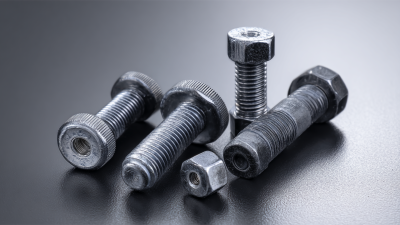
Hexagonal nuts are critical fasteners widely used in construction and engineering, providing secure connections for a variety of structures and components. Defined by their six-sided shape, these nuts typically fit onto a corresponding bolt or screw, allowing for the efficient transfer of loads. They are often manufactured from materials such as steel, stainless steel, and plastic, which offer varying levels of strength and corrosion resistance. According to a report by the Global Fastener Market, the hexagonal nut segment is anticipated to account for a significant portion of the fastener market, valued at approximately $102 billion globally by 2024.
The key characteristics of hexagonal nuts include their standardized dimensions, which are governed by various international standards such as ISO and ASTM. Their size and thread pitch are designed to match specific bolts, ensuring compatibility and ease of assembly. Additionally, hexagonal nuts feature a flat bearing surface that distributes load evenly, reducing the risk of damage to components. Research indicates that the choice of material and threading can significantly affect the performance of hexagonal nuts under stress, leading to implications for safety and durability in engineering applications. The extensive use of hexagonal nuts across different sectors underscores their importance in maintaining structural integrity and performance in construction projects.
What is a Hexagonal Nut and Its Uses in Construction and Engineering - Definition and Characteristics of Hexagonal Nuts
| Property |
Details |
| Definition |
A hexagonal nut is a fastener with a hexagonal shape, designed to be tightened with a wrench. |
| Material |
Commonly made from steel, stainless steel, nylon, and brass. |
| Size Range |
Available in various sizes, from M1 to M100 or larger. |
| Thread Type |
Includes metric threads (ISO) and standard threads (UNC/UNF). |
| Uses in Construction |
Used to secure machinery parts, wood, and metal structures. |
| Uses in Engineering |
Critical in fastening components in machines and vehicles. |
| Strength Rating |
Strength ratings vary, including grades such as 4, 5, and 8. |
| Finishes |
Can be coated with zinc, chrome, or left uncoated for different environments. |
Types of Hexagonal Nuts and Their Specifications
Hexagonal nuts are essential fasteners widely used in construction and engineering, and their specifications can significantly influence project integrity. The most common types of hexagonal nuts include regular hex nuts, thin hex nuts, and locknuts. Regular hex nuts conform to the ANSI/ASME B18.2.2 standard, with various sizes defined by the diameter and thread pitch, making them suitable for standard bolts and screws.
Thin hex nuts are often utilized where space is restricted and a lower profile is needed, while locknuts provide enhanced security by resisting loosening due to vibration.
Understanding the specifications of these nuts is crucial for effective application. For instance, the material used can vary significantly; steel nuts are strong and commonly used, while stainless steel nuts offer greater resistance to corrosion, particularly in outdoor or humid environments. According to a recent industry report, the demand for hexagonal nuts in various construction applications is expected to grow by 6% annually, reflecting the increasing use of prefabricated components that require reliable fastening solutions.
Tips: When selecting hexagonal nuts, always consider the specific environmental factors of your project, such as exposure to moisture or chemicals. Selecting the appropriate material and finish can prevent premature failure. Moreover, always ensure that your hexagonal nuts are compatible with the bolts they’ll be paired with, as this will optimize the strength and performance of the assembly.
Applications of Hexagonal Nuts in Construction
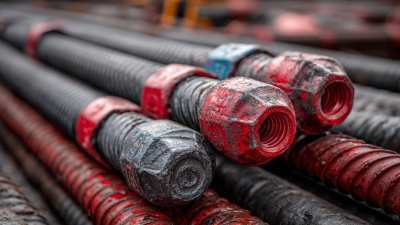
Hexagonal nuts play a critical role in construction and engineering, providing essential bolting solutions that ensure the stability and safety of structures. According to a report by the American Institute of Steel Construction, proper fastening techniques utilizing hexagonal nuts can enhance the structural integrity by up to 30%. This makes them an indispensable component in various applications, including steel framing, bridge construction, and heavy machinery assembly. They are favored for their ability to distribute loads evenly, which is crucial in high-stress areas.
In the construction industry, hexagonal nuts are commonly used in conjunction with bolts to fasten steel beams and columns. Their design allows for ease of handling and installation, making them ideal for work environments that demand speed and efficiency. Additionally, studies show that the compatibility of hexagonal nuts with different materials, including steel and aluminum, increases their versatility, allowing engineers to tailor their use based on specific project requirements. As per the Fastener Quality Act, maintaining high-quality standards for these fastening elements is vital to ensure safety and performance in construction applications.
Tips: When selecting hexagonal nuts for your project, always check the material compatibility with the bolts being used to prevent potential failures. Additionally, consider utilizing locking mechanisms, such as nylon inserts or serrated designs, for applications subjected to vibrations, ensuring long-lasting stability. Regular maintenance and inspections can mitigate the risk of loosening over time.
Role of Hexagonal Nuts in Engineering Projects
Hexagonal nuts play a crucial role in engineering projects, serving as essential fasteners in a variety of applications. Their hexagonal shape allows for easy manipulation using standard wrenches, providing a secure grip and facilitating installation and removal. This feature is particularly important in construction and engineering where components need to be assembled or disassembled frequently. Hexagonal nuts are designed to fit onto corresponding bolts, screws, and threaded rods, creating a tight connection that resists loosening due to vibrations or mechanical stress.
In addition to their practicality, hexagonal nuts are integral to ensuring structural integrity in engineering projects. They distribute load evenly across the surface of the connected materials, which is vital for maintaining stability in structures such as bridges, buildings, and machinery. The ability to select from a range of materials and grades means that hexagonal nuts can be tailored to specific environmental conditions, providing durability and resistance to corrosion. Therefore, their application extends beyond just fastening; they are key components that contribute to the overall safety and longevity of engineering designs.
Benefits of Using Hexagonal Nuts in Structural Integrity
Hexagonal nuts are essential components in construction and engineering, known for their unique shape that allows for secure fastening and high torque application. One of the primary benefits of using hexagonal nuts lies in their capacity to maintain structural integrity across various applications. These nuts, when combined with bolts, provide a stable connection that can withstand significant forces, making them ideal for load-bearing structures. The increased surface area in contact with the bolt enhances friction, reducing the likelihood of loosening due to vibration and movement.
Furthermore, hexagonal nuts facilitate uniform distribution of loads, which is critical in ensuring that mechanical systems operate smoothly. Their design allows for easy tightening and loosening without compromising the strength of the joint. In scenarios where safety is paramount, such as in bridges or high-rise buildings, the reliability of hexagonal nuts plays a vital role in sustaining the overall integrity of the construction. This ensures that structures can endure varying conditions while remaining secure, highlighting the importance of these seemingly simple components in delivering robust engineering solutions.