What is Marine Fasteners and Why Are They Essential for Your Projects
Marine fasteners are critical components in the maritime and construction industries, serving as the backbone of structural integrity in various marine applications. These specialized fasteners are designed to withstand the unique challenges posed by the marine environment, including exposure to saltwater, humidity, and varying temperatures. As such, their role goes beyond mere assembly; they are essential for ensuring the durability and safety of marine structures, vessels, and equipment.
The importance of marine fasteners cannot be overstated. In high-stress environments where materials are subject to constant strain, using the right fasteners ensures that everything from boat hulls to docks is securely held together. Their resistance to corrosion and fatigue is paramount, as it directly affects the longevity and performance of the projects they are integral to. Whether embarking on a new construction project or performing maintenance on existing marine infrastructure, understanding the various types and uses of marine fasteners is key to achieving reliable and safe results.
Definition and Overview of Marine Fasteners
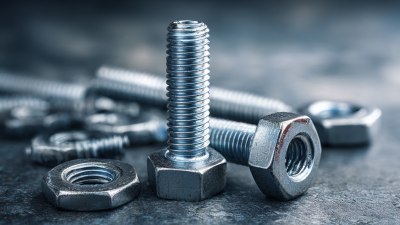
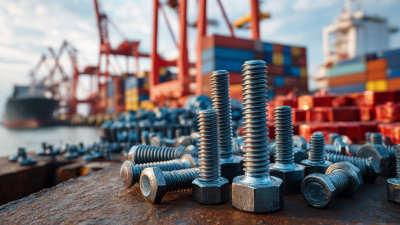
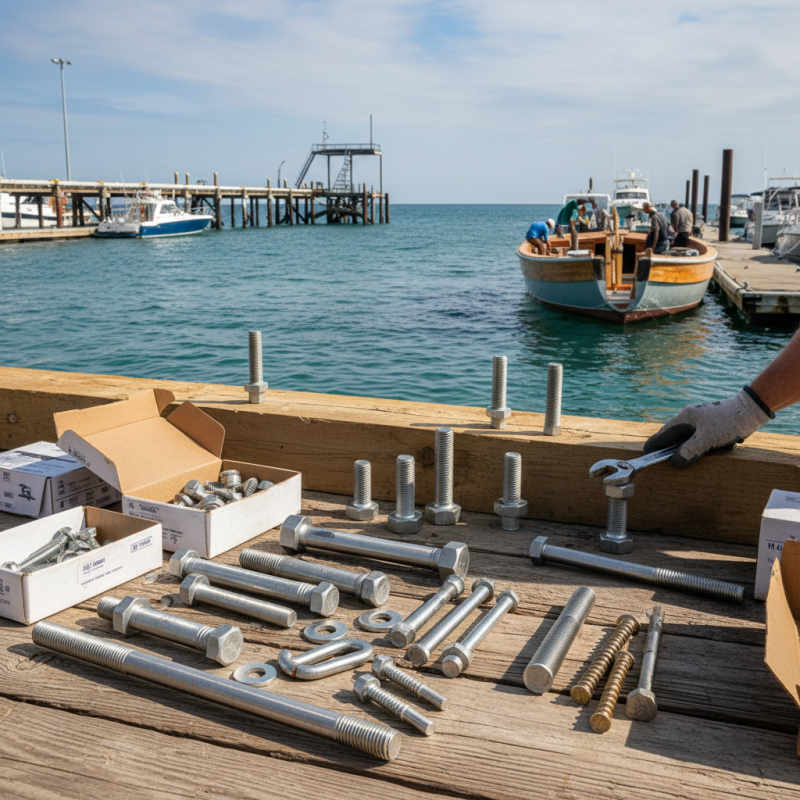
Marine fasteners are specialized hardware components designed to withstand the harsh conditions of marine environments. They are essential in various maritime applications, from constructing boats and ships to securing components in offshore platforms. These fasteners include bolts, screws, nuts, washers, and anchors, typically made from corrosion-resistant materials such as stainless steel, brass, and nylon. According to a recent market analysis by Allied Market Research, the marine fasteners market is expected to grow significantly, driven by increasing investment in marine infrastructure and the booming recreational boating sector, with an estimated CAGR of 4.3% over the next five years.
The unique environmental challenges faced by marine fasteners include exposure to saltwater, humidity, and potential biological growth. This requires the use of materials that not only offer strength but also durability against corrosion. For instance, a report by the International Maritime Organization indicates that corrosion can lead to economic losses of up to $276 billion annually within the shipping industry. Therefore, utilizing high-quality marine fasteners is crucial for ensuring the longevity of structures and reducing maintenance costs. Investing in the right fasteners ultimately enhances safety and operational efficiency, making it a vital consideration for any marine construction or repair project.
Types of Marine Fasteners Used in Various Applications
Marine fasteners are crucial components utilized in various marine applications, playing a vital role in the construction and maintenance of boats, ships, and offshore structures. There are several types of marine fasteners, each designed to withstand specific environmental conditions. The most commonly used types include stainless steel, bronze, and nylon fasteners. Stainless steel fasteners offer excellent corrosion resistance and strength, making them a preferred choice for many applications. According to a report by the Marine Industry Association, approximately 70% of all marine fasteners used today are stainless steel due to its durability in harsh marine environments.
In addition to stainless steel, bronze fasteners excel in resisting corrosion caused by seawater, which is why they are often used in underwater applications. Their unique composition not only prevents rust but also adds aesthetic appeal to the marine vessels. Nylon fasteners, while not as strong as metal options, are lightweight and offer excellent resistance to saltwater, making them suitable for specific applications where weight is a critical factor.
Tips: When selecting marine fasteners, consider the specific environmental conditions they will face. Ensuring that fasteners are made from the proper materials can prolong the life of your projects significantly. Additionally, regular inspections and maintenance of fasteners can prevent costly repairs and enhance safety on board. Always follow industry guidelines to determine the best fasteners for your specific marine applications.
Types of Marine Fasteners and Their Applications
Importance of Marine Fasteners in Marine Construction Projects
Marine fasteners play a vital role in marine construction projects, where the unique environmental challenges require reliable and durable solutions. According to industry reports, the marine construction market is expected to grow at a compound annual growth rate (CAGR) of about 5.3% through 2025, driven by increasing investments in infrastructure. Marine fasteners, including bolts, screws, and anchors, are specifically designed to withstand corrosion, high salt exposure, and intense pressure from waves and tides. Using suitable marine fasteners can extend the lifespan of structures, ultimately reducing maintenance costs and project timelines.
Tip: When selecting marine fasteners, prioritize materials with high corrosion resistance, such as stainless steel or coated fasteners. This choice is crucial for ensuring the longevity of your projects. Additionally, consider the grade and type of fastener to match the specific demands of your construction environment.
The importance of marine fasteners also extends to safety and compliance with regulations. Inadequate fastening can lead to structural failures, posing risks to both workers and the environment. Reports indicate that nearly 30% of marine accidents are attributed to equipment failure, emphasizing the necessity for quality fasteners in construction. By utilizing certified marine fasteners, construction projects not only adhere to industry standards but also safeguard the integrity of marine habitats and public safety.
Tip: Always consult with a marine construction expert to assess your project's specific requirements, ensuring you choose the right fasteners for optimal performance.
Factors to Consider When Choosing Marine Fasteners
When selecting marine fasteners for your projects, several critical factors must be considered to ensure they meet the unique demands of a marine environment. First and foremost, material selection is paramount. Marine fasteners are typically made from stainless steel, brass, or other corrosion-resistant materials to withstand the harsh conditions present in maritime settings, such as saltwater exposure and varying temperatures. Choosing the right material can prevent premature deterioration and extend the lifespan of your installations.
Another important factor is the design and type of fastener. Depending on the specific application, whether it be securing components on a boat or constructing marine structures, different fasteners offer distinct benefits. For instance, screws, bolts, and nuts are often chosen based on their load-bearing capacity and ease of installation. Additionally, clasp types like locking nuts or washers can provide enhanced security against vibration and movement, which are common in maritime operations. Considering these elements can significantly influence the performance and reliability of your project in marine applications.
Maintenance and Lifespan of Marine Fasteners in Harsh Environments
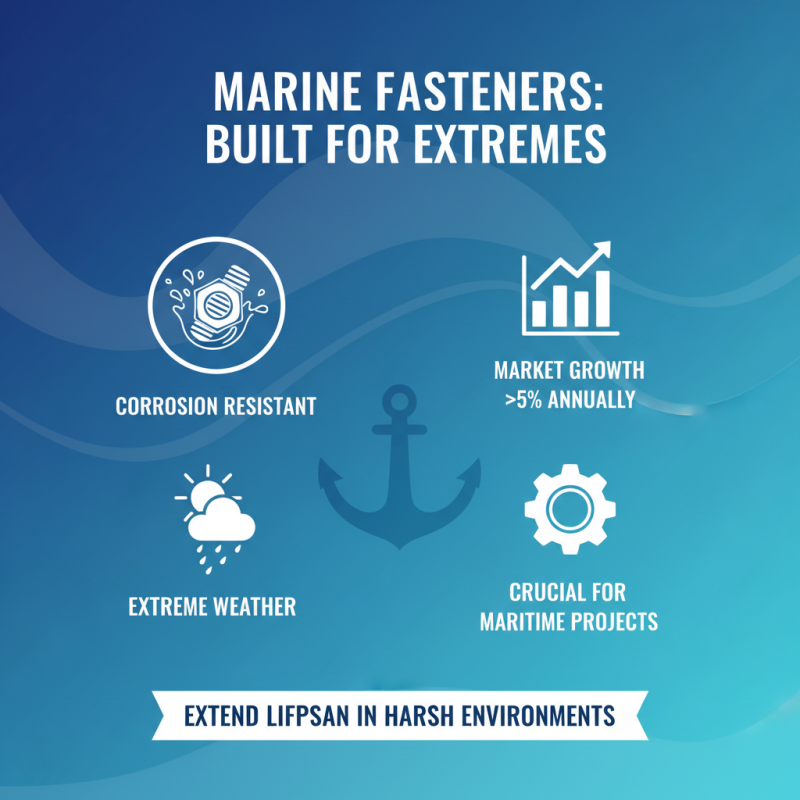
Marine fasteners are integral components for any maritime project, especially when faced with harsh environments. These fasteners are designed to withstand the corrosive effects of saltwater and extreme weather conditions, which can significantly impact their lifespan. According to the Marine Fasteners Market report by Grand View Research, the demand for specialized fasteners in marine applications is expected to grow by over 5% annually, emphasizing their importance in the industry.
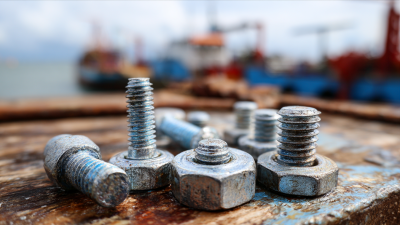
The maintenance and longevity of marine fasteners depend heavily on the materials used and the environmental conditions they are exposed to. Stainless steel and coatings such as nickel or special marine-grade finishes are often recommended for enhanced corrosion resistance. A study by the National Association of Corrosion Engineers (NACE) indicates that properly maintained marine fasteners can last up to 20 years, even in extreme conditions. However, neglect can lead to early failure, causing costly repairs and safety hazards.
**Tips for Maintenance:**
1. Regularly inspect fasteners for signs of corrosion or wear, and consider applying protective coatings as a preventative measure.
2. Ensure proper installation techniques are used, as improper torque can lead to stress and premature failure.
3. Keep an inventory of spare fasteners on hand to minimize downtime during critical repairs.
By understanding the significance of marine fasteners and implementing regular maintenance routines, project managers can ensure the durability and reliability of marine structures.