How to Select the Best Nut Prestressed Anchorage for Your Needs?
Selecting the best Nut Prestressed Anchorage for your projects is crucial. It directly affects the durability and safety of structures. Various factors influence this choice, including load requirements, environmental conditions, and installation techniques. An incorrect selection may lead to serious structural issues, which is not something to take lightly.
Expert knowledge is essential when evaluating different options. Consider the reputation of manufacturers and the materials used in their products. Sometimes, a less-known brand may offer higher quality than a more popular one. Keep in mind that certifications and compliance with industry standards hold great importance.
As you explore your options, you may encounter conflicting information. This can be confusing. Engage with professionals who have experience in this field. Gather insights, ask questions, and reflect on past projects. Ultimately, making an informed decision about Nut Prestressed Anchorage will ensure your structures meet the required safety and performance standards.
Understanding Nut Prestressed Anchorage: An Overview
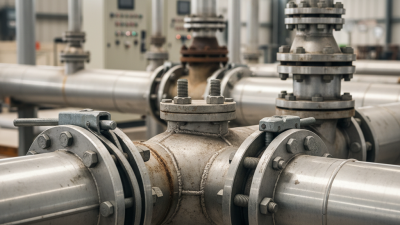
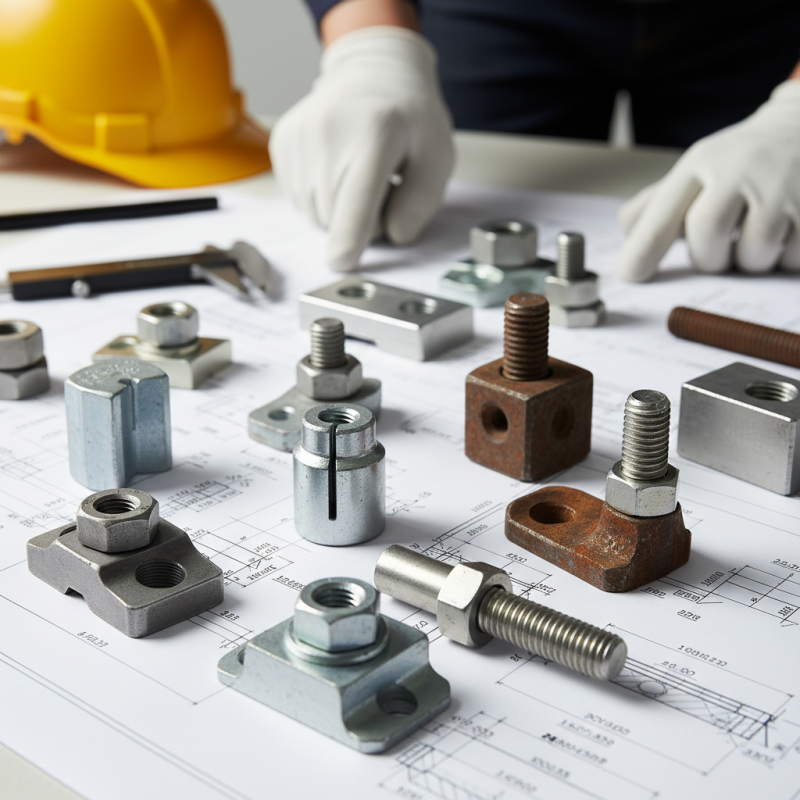
Nut prestressed anchorage plays a crucial role in various construction projects. It provides stability and support, particularly in concrete structures. Understanding its components is essential for making informed decisions. The main parts include the nut, threaded rod, and anchor body, which work together to ensure safety and performance.
When selecting nut prestressed anchorage, consider the application environment. Different materials may work better in varying conditions. For instance, high-strength steel is ideal for heavy loads, while corrosion-resistant materials are beneficial in harsh conditions. Conduct thorough inspections to assess the condition and compatibility of materials.
Tips:
Ensure you verify load capacities before finalizing your choice. This step can prevent serious safety issues. Document all findings and specifications for future reference. Regular maintenance checks can also help identify potential issues early on.
Choosing the right nut prestressed anchorage requires careful consideration. Reflect on the specific demands of your project. Inadequate selection can lead to structural failures, resulting in costly repairs or endangering lives. Prioritize understanding over haste; this approach fosters better outcomes.
Factors to Consider When Selecting Nut Prestressed Anchorage
Choosing the right nut prestressed anchorage involves careful consideration of several factors. Start with the load requirements. Understand the maximum loads your structure will face. This can include static loads and dynamic forces. It's crucial to calculate these numbers accurately to avoid future issues. A miscalculation could lead to structural failure, which is something every engineer wants to avoid.
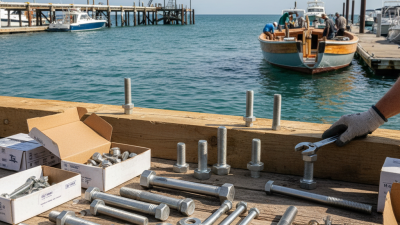
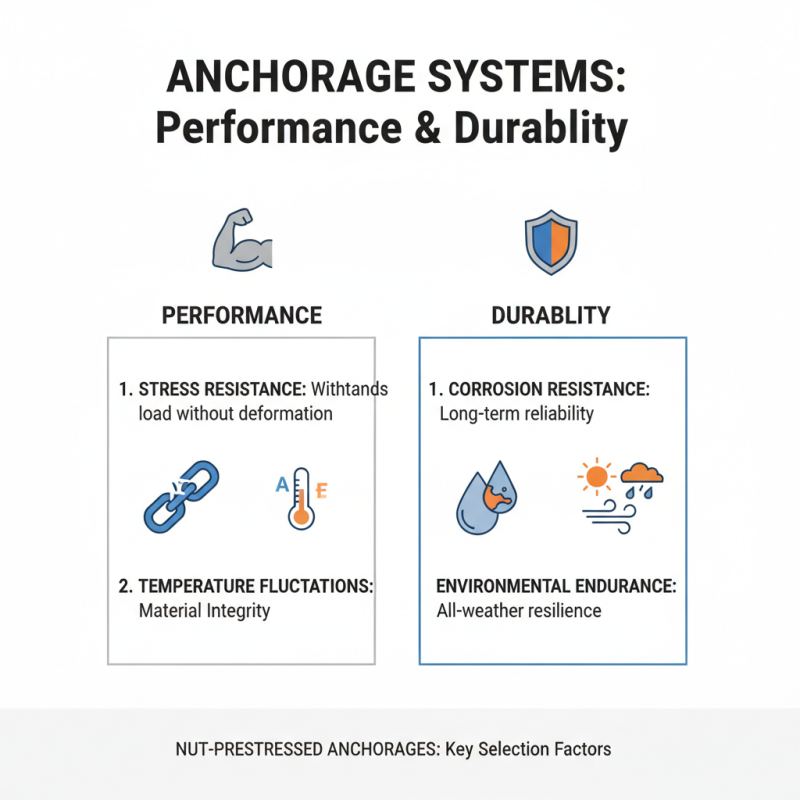
Next, consider environmental factors. Will the anchorage be exposed to corrosive materials? Maybe the temperature in the project area fluctuates significantly. Such conditions can impact the durability of the components. Assessing the materials used in the anchor is vital. They should withstand the specific demands of your project. Failure to select appropriate materials could mean costly repairs down the line.
Lastly, think about installation and maintenance. How complex is the installation process? Can your team handle it efficiently? A complicated setup may lead to installation errors. Reflect on the long-term maintenance needs. An anchorage that requires regular checks might not be ideal for every project. Balancing these factors ensures you make a well-informed decision for your construction needs.
Factors to Consider When Selecting Nut Prestressed Anchorage
Types of Nut Prestressed Anchorage and Their Applications
When selecting nut prestressed anchorage systems, understanding the various types is crucial. The primary types include wedge, mechanical, and resin anchors. Each type serves specific applications, providing different benefits. Wedge anchors, for instance, are ideal for solid rock or concrete applications due to their reliable holding power. Research indicates that they can achieve tensile capacities exceeding 150 kN, making them suitable for high-load environments.
Mechanical anchors, often used in temporary setups, offer flexibility and ease of removal. They are commonly employed in construction and repair works where conditions might change. According to industry studies, these anchors can provide a load capacity of up to 90 kN, proving effective in moderate load scenarios. However, users must ensure appropriate installation to prevent failure.
Resin anchors allow for greater bonding with substrates, making them suitable for less stable conditions. They excel in applications where maximum grip is essential, such as in soil or loose rock. However, they can be sensitive to temperature changes during curing. In a report published by the International Association of Anchors, improper installation can lead to a failure rate of up to 30%. This highlights the importance of professional guidance and thorough installation techniques when choosing and implementing these anchorage systems.
How to Select the Best Nut Prestressed Anchorage for Your Needs?
| Type of Nut Prestressed Anchorage |
Material |
Load Capacity (kN) |
Typical Applications |
Advantages |
| Standard Nut Anchorage |
Steel |
400 |
Bridge construction, retaining walls |
Cost-effective and easy to install |
| High-Performance Nut Anchorage |
Stainless Steel |
600 |
Marine structures, high-corrosion environments |
Superior durability and resistance to corrosion |
| Lightweight Nut Anchorage |
Aluminum |
250 |
Prefabricated structures, temporary works |
Lightweight and easy to transport |
| Innovative Composite Nut Anchorage |
Composite Materials |
500 |
Sport complexes, high-performance applications |
High strength-to-weight ratio and innovative design |
Cost Considerations and Budgeting for Nut Prestressed Anchorage
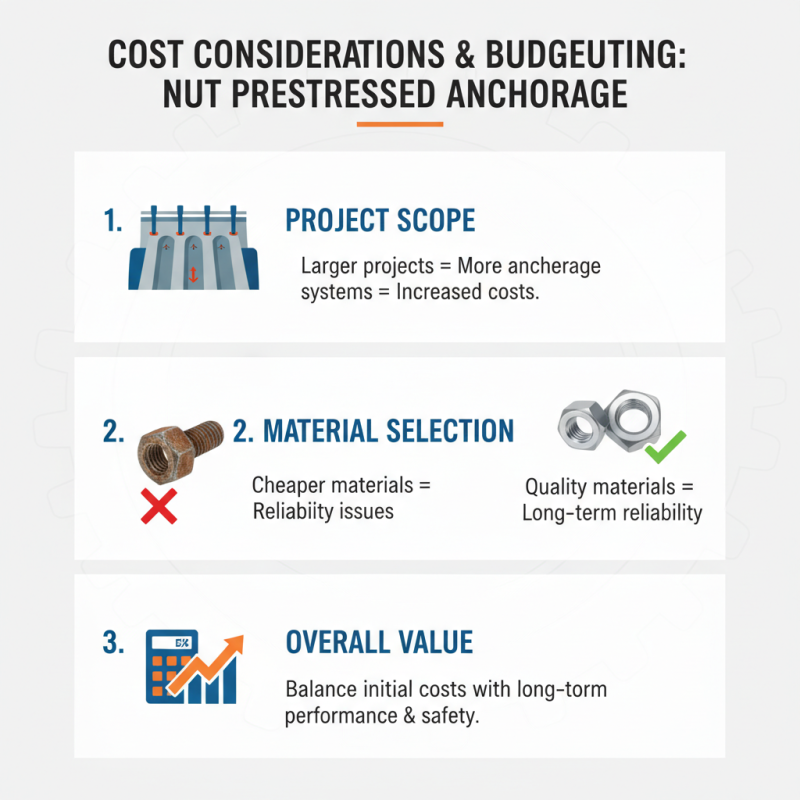
When budgeting for nut prestressed anchorage, consider several key factors. First, evaluate the project's scope. Larger projects typically require more anchorage systems, increasing costs. Analyze the material selection too; some materials are more cost-effective than others. However, cheaper materials may lead to reliability issues over time.
Workmanship is another aspect that can’t be overlooked. Skilled labor can raise upfront costs, but it often pays off in the long run. Poor installation can result in structural failures, leading to costly repairs. Engaging with experienced professionals might seem like an added expense, but their expertise can prevent budget overruns due to mistakes.
Lastly, think about life cycle costs. Initial pricing may not represent the total cost over time. Maintenance requirements can vary significantly between different anchorage systems. Opting for a slightly more expensive, durable solution could save money in the future through reduced maintenance and longer service life. Each decision should reflect not just immediate budget constraints but long-term sustainability.