Top 10 Tips for Choosing the Right Hex Bolts?
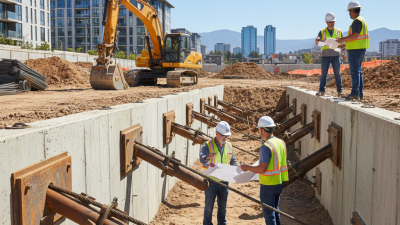
Choosing the right hex bolts is crucial for any construction project. According to the "Fastener Industry Report 2023," hex bolts account for over 35% of the fastener market. Their versatility and strength make them indispensable in various applications. Expert John Smith, a leading authority in fastening technology, once stated, “Selecting the right hex bolts can make or break your project’s integrity.”
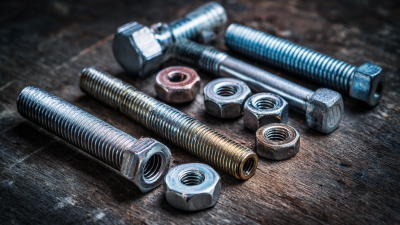
Many factors influence the selection of hex bolts, including material, grade, and coating. It’s vital to consider the specific demands of your project. For example, stainless steel hex bolts resist corrosion. However, they can be more expensive. Using the wrong type of hex bolt can lead to unexpected failures. Understanding these details helps ensure you make an informed choice.
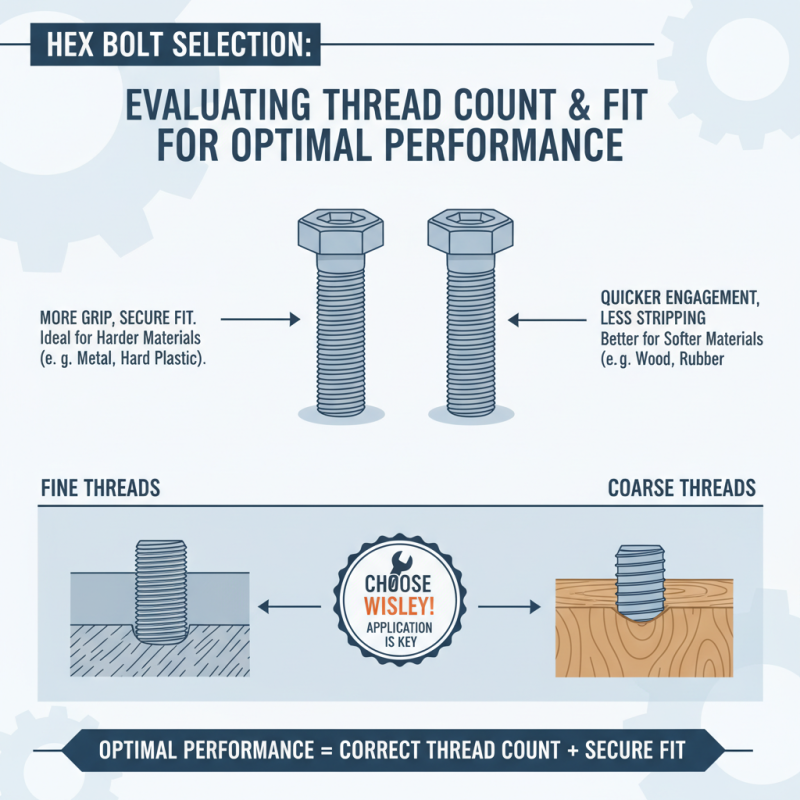
Additionally, the right size and fit are essential. Too loose or too tight can affect performance. Thus, paying attention to specifications is often overlooked. A thoughtful approach will enhance both the safety and longevity of structures. Selecting hex bolts requires careful consideration to avoid costly mistakes. The right choice will support the structural integrity you seek.

Understanding the Importance of Hex Bolt Material Selection
Choosing the right hex bolt material is crucial. Different applications require specific characteristics, such as strength, corrosion resistance, and thermal stability. For example,
steel bolts might be suitable for structural applications, while stainless steel is preferred for environments exposed to moisture.
Material selection often involves trade-offs. Higher strength materials, like carbon steel, are heavier and can be prone to rust. Conversely, aluminum bolts reduce weight but may not withstand heavy loads.
Awareness of these trade-offs can impact your project’s longevity and performance.
Consider how the environment affects your choice. Short-term projects may allow for less durable materials, but long-term applications demand reliability. In some cases,
you might have to rethink your entire design to accommodate the correct bolts. It is wise to consult industry standards and seek advice from experienced professionals.
This helps ensure that your selection works well within your intended application.
Identifying Load Requirements and Strength Specifications
When selecting hex bolts, understanding load requirements is crucial. Different applications demand varying levels of strength. For instance, structural supports might need heavy-duty bolts, while lighter machinery could be fine with standard options. Assess the weight and forces acting on the bolt. Not all situations call for the highest strength rating.
Consider the material and size as well. Different materials have unique strength characteristics. A hex bolt made from high-grade steel typically offers better performance than one from standard steel. Also, bolt diameter impacts load capacity. Wider bolts can handle more stress, yet they require more space. An engineer's insight can be beneficial here.
Many overlook bolt specifications, leading to failures. Always cross-check tensile strength ratings. Some find it easy to choose based on appearance or cost, but these factors do not guarantee reliability. Develop an understanding of your specific needs. This approach minimizes mistakes and enhances project stability.
Top 10 Tips for Choosing the Right Hex Bolts
Assessing Environmental Conditions and Corrosion Resistance
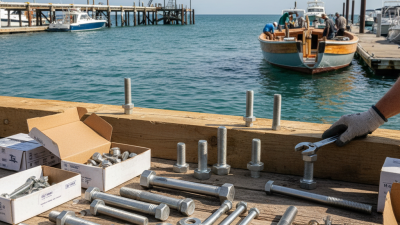
When choosing hex bolts, understanding environmental conditions is crucial. Different environments expose bolts to various factors. For example, coastal areas have high humidity and salt, leading to rapid corrosion. In contrast, dry and arid regions may present fewer corrosion concerns. Assessing these conditions helps ensure longevity.
Corrosion resistance is another essential factor. Materials used in bolts can vary greatly. Stainless steel and galvanized options offer superior resistance to rust. However, they may not always suit every project. Evaluating the specific environment and potential chemical exposure is vital. A common oversight is assuming that higher corrosion resistance is always necessary. Sometimes, a simpler solution may suffice.
Regular maintenance can also influence the effectiveness of hex bolts. Inspecting the bolts periodically allows for proactive measures against corrosion. This practice may delay failures and save costs in the long run. Ignoring signs of wear can lead to catastrophic outcomes. Prioritizing environmental assessments and corrosion resistance is necessary for informed decisions.