Top 5 Sleeve Anchors You Need for Ultimate Stability?
When it comes to construction and anchoring, choosing the right tools is crucial. Sleeve anchors are essential for ensuring the stability and safety of structures. Whether you’re working on a small DIY project or a large construction site, you need anchors that can handle the pressure.
In this article, we dive into the top five sleeve anchors available today. Each option stands out for its reliability and strength. We’ll explore the materials, designs, and applications of these anchors. It's important to know that not all sleeve anchors are created equal. Some may not meet specific needs, which can lead to issues later.
Choosing the right sleeve anchors demands careful consideration of various factors. You want products that provide the best performance. Yet, some anchors may fall short due to installation errors or material mismatch. With the right knowledge, you can avoid these pitfalls. Let’s discover the anchors that can elevate your projects.
Top 5 Sleeve Anchors for Enhanced Structural Integrity in Construction
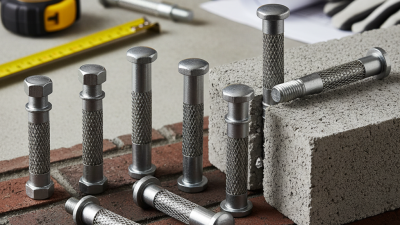
When it comes to construction, structural integrity is paramount. Sleeve anchors are a popular choice to ensure strong connections between different materials. They provide dependable anchorage in concrete and masonry, supporting various applications. These anchors are designed to expand within the base material, creating a secure hold that resists pull-out forces.
Choosing the right sleeve anchor is crucial. The depth of installation, type of substrate, and load requirements all play a role. It's essential to assess the conditions where these anchors will be used. Some projects may have variables that complicate installation. For instance, overly brittle concrete can compromise anchor performance. Regular inspections and maintenance of anchors in service can help identify potential issues before they cause structural failures.
While sleeve anchors are effective, they aren't a one-size-fits-all solution. Factors like corrosion resistance and environmental conditions matter greatly. Learning from past experiences, many professionals adjust their approach based on site-specific challenges. Understanding these nuances builds a more robust framework for successful construction projects. Each choice made in the selection process contributes to overall safety and durability in construction.
Top 5 Sleeve Anchors You Need for Ultimate Stability
| Anchor Type |
Length (inches) |
Diameter (inches) |
Material |
Load Capacity (lbs) |
| Sleeve Anchor A |
3 |
0.5 |
Stainless Steel |
600 |
| Sleeve Anchor B |
4 |
0.625 |
Carbon Steel |
800 |
| Sleeve Anchor C |
2.5 |
0.375 |
Zinc Plated Steel |
500 |
| Sleeve Anchor D |
5 |
0.75 |
Stainless Steel |
1000 |
| Sleeve Anchor E |
3.5 |
0.5 |
Carbon Steel |
750 |
Understanding the Load-Bearing Capacity of Sleeve Anchors in Various Materials
When it comes to construction and DIY projects, sleeve anchors are vital for stability. Understanding their load-bearing capacity helps ensure safety and longevity. Sleeve anchors work by expanding within the base material, securing objects effectively. We commonly use them in concrete, brick, and masonry. Each material has different load capacities that influence your choice of anchor.
For concrete, sleeve anchors provide excellent tensile and shear strength. However, they may not perform as well in softer materials like brick. Knowing the specific load capacity for your project’s material is essential. Overestimating an anchor’s strength can lead to structural failure. Always consult load charts and manufacturer specifications for guidance.
**Tips:** Choose the right anchor for your material. Perform a test installation if unsure about the load. Ensure the hole is clean and the anchor is properly installed. This reduces the risk of unexpected failures. Remember, quality matters, even in small components. Small mistakes can lead to significant issues.
Top 5 Sleeve Anchors - Load-Bearing Capacity Comparison
Comparative Analysis of Sleeve Anchor Design: Expanding vs. Non-Expanding
When selecting sleeve anchors for construction projects, understanding the differences between
expanding and non-expanding designs is crucial.
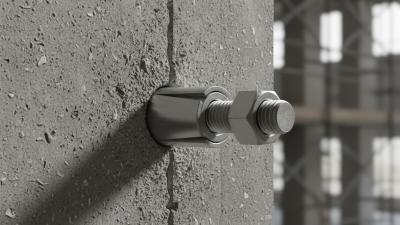
Expanding sleeve anchors create a secure hold by expanding against the walls of a drilled hole. This expansion occurs when the anchor bolt is tightened, allowing it to grip the concrete tightly.
According to a study by the American Concrete Institute, expanding anchors generally provide better load capacity in tension, making them ideal for high-stress applications.
In contrast, non-expanding anchors do not expand when installed. Instead, they rely on friction and contact with the substrate. A technical report from the International Association of Foundations emphasizes that non-expanding anchors can be beneficial in certain scenarios, such as retrofit applications or when working with brittle materials. However, they often have lower load-bearing capacities compared to their expanding counterparts.
Tips: Always choose the right anchor based on the material and load requirements.
Test anchor placement to ensure proper engagement. Regularly inspect anchors during maintenance checks; slight degradation can affect performance. Remember to account for environmental conditions, as this can influence anchor effectiveness.
Making informed decisions based on material properties and project requirements will enhance stability.
Installation Best Practices for Optimal Performance of Sleeve Anchors
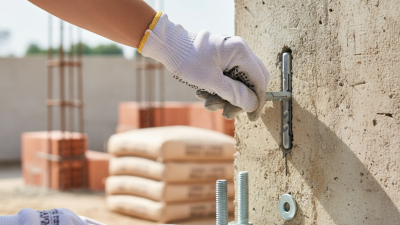
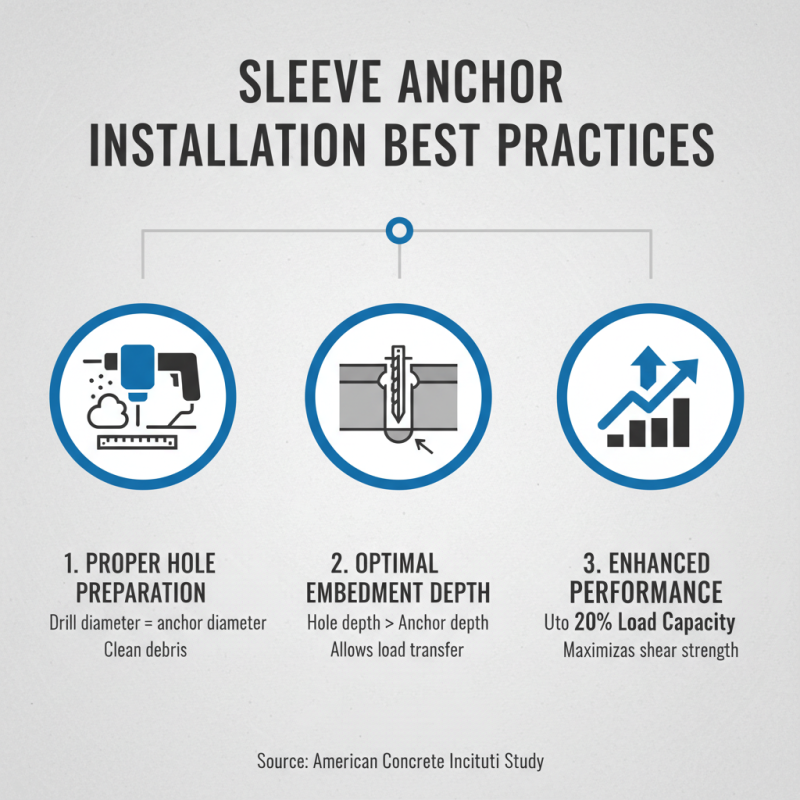
When installing sleeve anchors, best practices are essential for ensuring optimal performance. Proper hole preparation is crucial. The recommended depth for the hole should exceed the anchor's embedment depth. This allows for effective load transfer and maximizes shear strength. A study by the American Concrete Institute shows that correctly sized holes can enhance the load capacity by up to 20%.
It's important to clean the hole thoroughly before insertion. Dust and debris can compromise the anchor's grip. A compressed air tool may remove residue effectively. Using a hammer drill helps achieve the correct diameter and depth quickly. Additionally, ensure that the anchor is inserted perpendicular to the fixture. Misalignment can lead to reduced load-bearing capacity, often overlooked but critical.
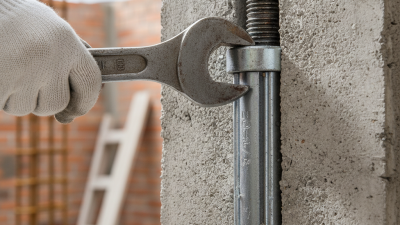
Following torque specifications during installation prevents anchor failure. A poorly tightened anchor can lead to pull-out failures. According to engineering reports, proper torque application can increase the effective capacity of sleeve anchors. Furthermore, consider the substrate material. Different materials, such as concrete or brick, respond differently to anchors. Understanding these nuances can lead to better performance and stability.
Industry Standards and Testing Methods for Sleeve Anchor Reliability
When selecting sleeve anchors for construction projects, it is crucial to adhere to industry standards for reliability. According to the American Concrete Institute (ACI), sleeve anchors must undergo rigorous testing to validate their performance under various loads. ACI recommends testing anchors across different concrete compressive strengths to ensure they meet or exceed required safety factors.
Testing methods often include tensile and shear load assessments. These tests help determine anchor hold in different conditions. A report from the International Code Council (ICC) emphasizes that sleeve anchors should comply with ASTM standards, specifically ASTM E488. This ensures that they can support both vertical and lateral loads effectively. Data shows that improperly tested anchors can result in failures, leading to costly damages and safety hazards.
Field data suggests that experienced contractors prefer sleeve anchors with a proven track record. Many studies highlight the importance of selecting anchors that have been tested for long-term durability. Without reliable testing, even subtle flaws in the anchor can compromise structural integrity, leaving projects at risk.