2026 Top Trends in Hexagonal Nuts for Industrial Applications?
Hexagonal nuts play a crucial role in various industrial applications. Their unique shape allows for optimal grip and connection in machinery. In 2026, we see several emerging trends surrounding these essential components.
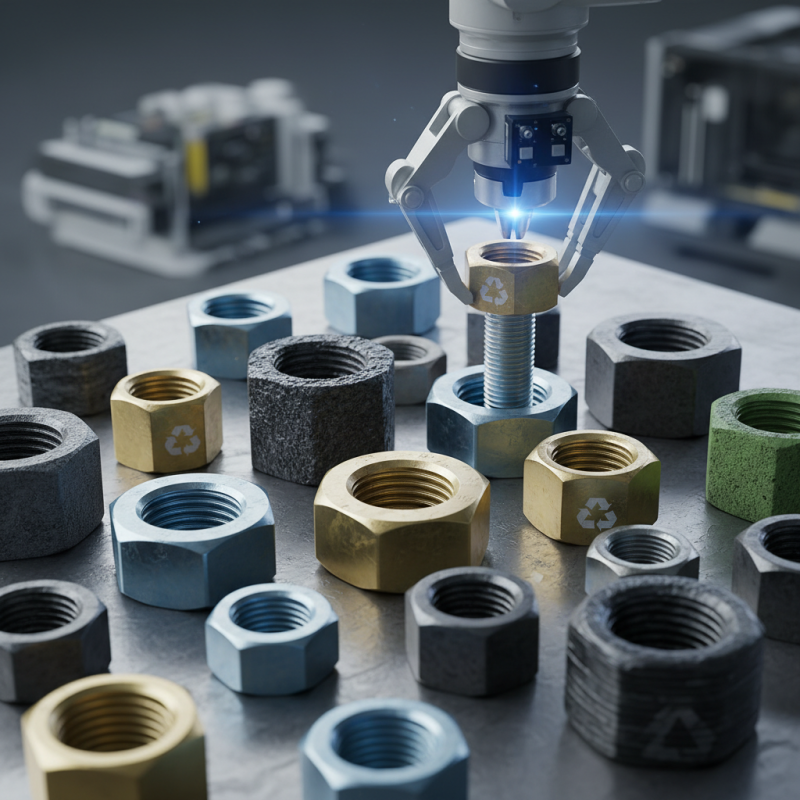
As industries evolve, the demand for innovative hexagonal nuts grows. Manufacturers are incorporating advanced materials to enhance performance. This leads to increased durability and resistance against wear and corrosion. Moreover, automation in production processes allows for higher precision in hexagonal nut creation.
Sustainability is also a key consideration. Many companies are exploring eco-friendly materials. These changes prompt a reevaluation of traditional manufacturing practices. The need for reliable and efficient hexagonal nuts remains. Yet, there’s a constant push for improvement and adaptation. This dual focus on tradition and innovation will shape the future of hexagonal nuts.
Emerging Materials for Hexagonal Nuts in 2026 Industrial Applications
As the industrial sector evolves, the materials used for hexagonal nuts are also changing. In 2026, emerging materials will play a crucial role in enhancing performance and sustainability. These materials include advanced composites and high-strength alloys. They can offer improved tensile strength and corrosion resistance, vital for demanding applications.
Sustainability is a significant trend. Bio-based plastics might find their way into industrial nuts. These materials can reduce environmental impact, yet their mechanical properties need thorough evaluation. Some may fall short in load-bearing situations. Testing and innovation are essential to ensure reliability.
Additionally, lightweight materials drive the industry forward. They can reduce overall weight without sacrificing strength. However, this shift may require changes in manufacturing processes. The challenge lies in balancing performance with new material properties. Industries will need to adapt quickly to these innovations while ensuring consistent quality and reliability.
Technological Innovations Driving Hexagonal Nut Manufacturing Processes
Hexagonal nuts play a pivotal role in various industrial applications. Their manufacturing processes have seen significant technological innovations recently. Advanced automation and robotics are now integral to production lines.
These changes lead to improved efficiency and reduced labor costs. According to a recent industry report, automated production can enhance output by up to 40%.
Additive manufacturing is also influencing hexagonal nuts. This technique allows for intricate designs and reduced material waste. Research shows that 3D printing can cut production time by 25%. However, challenges remain. The transition to these new technologies requires skilled labor and significant investments. Companies are grappling with training employees and adapting existing infrastructure.
The growing demand for precision in various sectors further stresses the need for quality in hexagonal nut manufacturing. Enhanced material science contributes to stronger and more durable nuts. Still, there are concerns about consistency and quality control. Ensuring the reliability of new materials is complex. Balancing innovation with practical limitations remains a key focus for manufacturers.
Sustainability Trends Impacting Hexagonal Nut Production and Use
In recent years, sustainability has become a focal point for industries worldwide. Hexagonal nuts, essential in various applications, are also influenced by this trend. Manufacturers are increasingly adopting eco-friendly materials and processes. Recycled metals and sustainable sourcing are gaining traction. This shift reduces the carbon footprint associated with production.
However, the transition is not without challenges. Many traditional manufacturing methods result in significant waste. Companies must rethink their approaches to minimize this impact. Embracing technology, such as additive manufacturing, can lead to more efficient processes. Yet, the higher cost of sustainable materials can deter smaller manufacturers. They struggle to balance cost and eco-conscious practices.
Moreover, consumer demand for greener products is rising. Industries must adapt to this shifting expectation. Quality and performance remain paramount. As manufacturers explore sustainability, they also need to maintain these standards. This necessity prompts a reevaluation of existing production methods. The commitment to sustainability may require trial and error, but the long-term benefits can be substantial.
2026 Top Trends in Hexagonal Nuts for Industrial Applications
This chart illustrates the key trends impacting the production and use of hexagonal nuts in industrial applications for the year 2026. The trends include sustainability, automation, recyclability, regulations, and design innovation, each rated on a scale from 1 to 10 based on their expected impact.
Changing Standards and Regulations for Hexagonal Nuts in Industry
In the industrial sector, hexagonal nuts are essential components. Recent changes in standards and regulations significantly impact their production and use. The global market for hexagonal nuts is projected to grow at a compound annual growth rate (CAGR) of 4.3% from 2023 to 2026, according to a report by Smith Analytics. This growth reflects a demand for higher quality and stricter compliance with industry standards.
The International Organization for Standardization (ISO) has updated several standards governing fasteners. These changes include enhancements in material specifications and testing methods. For instance, ISO 898-2 now emphasizes improved tensile strength in nut materials. Manufacturers must adapt to these regulations, which can be costly and time-consuming. Some companies may struggle to meet these new standards, potentially affecting their market position.
Moreover, environmental regulations are tightening. Many industries are shifting toward sustainable practices. This trend influences how hexagonal nuts are produced and sourced. The use of more eco-friendly materials is becoming a necessity rather than an option. However, transitioning to sustainable production is not without challenges. Companies often face higher costs and the need for better supply chain management.
Market Demand and Future Growth Projections for Hexagonal Nuts
The demand for hexagonal nuts in industrial applications continues to rise. Industries such as automotive, construction, and machinery rely heavily on these fasteners. As technology advances, the specifications for hexagonal nuts evolve too. Manufacturers are focusing on producing durable and corrosion-resistant nuts to meet these needs.
Growth projections indicate a steady increase in market demand. Innovations in materials and manufacturing techniques drive this expansion. However, some challenges persist. For instance, global supply chain issues could impact availability. Additionally, fluctuating raw material prices may affect production costs. The competition in this sector is fierce, pushing companies to innovate continuously.
Understanding the specific requirements of each industry is crucial. Not all hexagonal nuts serve the same purpose. Industries require tailored solutions to enhance safety and reliability. However, failure to adapt could hinder growth. Industry leaders must keep a close eye on market trends and customer feedback. This vigilance can ensure they remain competitive in an ever-evolving marketplace.
2026 Top Trends in Hexagonal Nuts for Industrial Applications
| Trend |
Market Demand (2026) |
Growth Rate (%) |
Applications |
| Sustainability Practices |
$2.5 Billion |
5.2% |
Automotive, Aerospace |
| Smart Manufacturing Integration |
$3.1 Billion |
7.0% |
Machinery, Robotics |
| High-Performance Materials |
$1.8 Billion |
4.5% |
Construction, Energy |
| Customization and Specialty Nuts |
$1.2 Billion |
6.0% |
Marine, Medical |
| Expansion in Emerging Markets |
$4.0 Billion |
8.3% |
Industrial Equipment, Consumer Goods |