How to Use Tee Nuts for Secure Fastening in Wood?
Tee Nuts play an essential role in woodworking. These small yet mighty fasteners provide stability and strength, making them invaluable for various projects. When embedded within the wood, Tee Nuts create a reliable anchor point for screws. This ensures that your fixtures remain secure, especially under stress.
Using Tee Nuts requires careful planning. Their installation can be a bit tricky. If you’re not precise, the result may fall short of expectations. It's vital to drill the correct size hole for a secure fit. A miscalculation could lead to loose connections, compromising durability.
Experimentation can improve your technique. Testing different placements will lead to better understanding and finer results. Remember, working with Tee Nuts is a learning experience. Embrace the challenges they present, and you’ll become proficient in securing your woodworking projects effectively.
Understanding Tee Nuts and Their Applications in Woodworking
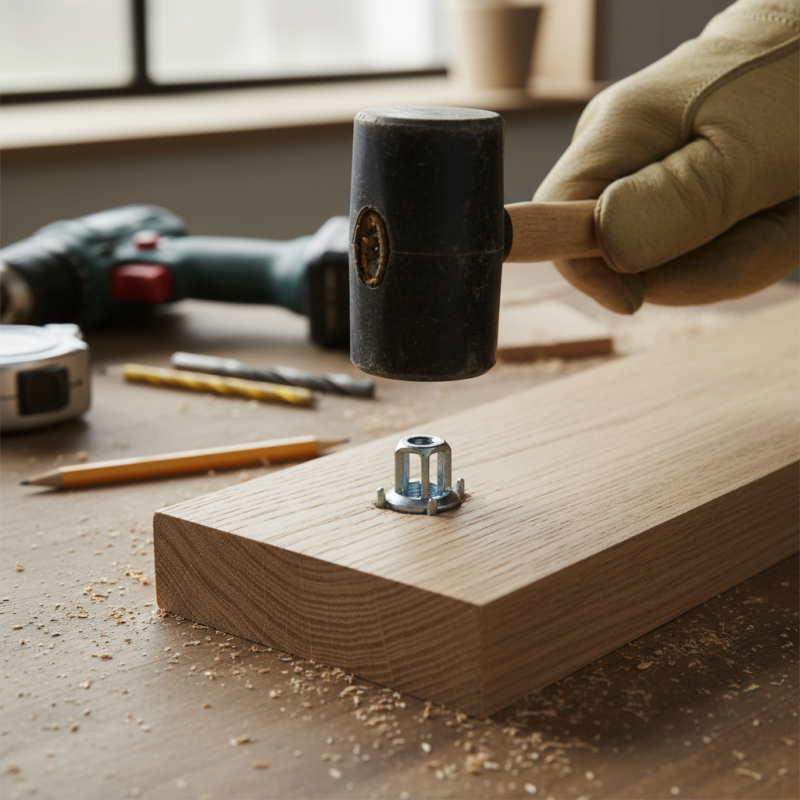
Tee nuts are essential for anyone working with wood. They provide a reliable anchoring method for various projects. Understanding their structure helps in choosing the right one for your needs. A tee nut features a cylindrical shape with prongs. This design allows it to grip the wood securely.
When using tee nuts, proper installation is key. Drill a hole slightly larger than the nut. Position it on the back of your workpiece. Tap it in gently until the prongs engage the wood. This step is crucial. A poorly installed tee nut can lead to loose connections.
Tips: Ensure the hole depth matches the tee nut's length. This ensures a tight fit. Consider using a washer if the material is thin; it distributes the load evenly. Also, remember to test fastening strength before completing your project. An unstable joint can lead to failures later on, which is frustrating. Always verify your work. These simple checks can save you time and effort in the long run.
Selecting the Right Tee Nuts for Your Project Requirements
When selecting tee nuts, consider the material. They come in steel, brass, and aluminum options. Steel is strong and durable, suitable for heavy applications. Brass offers corrosion resistance, ideal for smaller projects. Aluminum is lightweight and good for less demanding uses.
Next, think about the size. Tee nuts come in various diameters and thread sizes. Choose a size that matches your screws. A mismatched screw can lead to weakness in the connection. Measure carefully, as you don’t want to compromise the integrity of your work.
Don’t overlook the installation process. Proper installation ensures sturdy fastening. If the tee nut is too loose, it may pull out. If it's too tight, it can damage the wood. Sometimes, errors happen. Take your time to learn from each attempt. Experiment with different settings to find what works best for you.
Step-by-Step Installation Process for Tee Nuts in Wood
Installing tee nuts in wood can enhance the strength of your projects significantly. According to industry data, using tee nuts can increase the load-bearing capacity of wood joints by up to 50%. This makes them an excellent choice for furniture and cabinetry. Proper installation is crucial for achieving this added strength.
Start by selecting the right size tee nut for your project. Mark desired locations on the wood surface. Use a drill to create pilot holes that match the tee nut's diameter. A precise fit here is essential. If the hole is too large, the nut may not secure properly. Next, insert the tee nut, ensuring the prongs grip the wood. A hammer can help secure it, but use caution to avoid damaging the wood.
Once in place, always test the fastening. This is crucial—for instance, overtightening a bolt can strip the threads. If you find the tee nut loosening over time, it may indicate improper installation or wood degradation. Monitoring and adjusting these fastenings can help maintain structural integrity. Engaging in these details can save you from future repairs and strengthen your wood projects effectively.
How to Use Tee Nuts for Secure Fastening in Wood
| Step |
Description |
Tools Required |
Estimated Time |
| 1 |
Select the right size of tee nuts for your project. |
Tee nuts, measuring tape |
5 minutes |
| 2 |
Mark the spot on the wood where the tee nut will be installed. |
Pencil, measuring tape |
5 minutes |
| 3 |
Drill a hole for the tee nut according to the manufacturer's specifications. |
Drill, drill bits |
10 minutes |
| 4 |
Insert the tee nut into the drilled hole, ensuring it sits flush with the wood surface. |
Tee nuts, hammer |
5 minutes |
| 5 |
Secure the tee nut by tapping it in with a hammer to ensure it locks in place. |
Hammer, towel (to protect surface) |
5 minutes |
| 6 |
Install the bolt or screw into the tee nut to test the fastening. |
Bolts or screws |
5 minutes |
Best Practices for Ensuring Secure Fastening with Tee Nuts
Using tee nuts for fastening in wood can greatly enhance stability. However, it’s essential to follow best practices. According to industry data, proper installation directly affects holding power by up to 30%. Ensuring the tee nut is flush with the wood surface prevents movement. This creates a more secure connection, which is vital for load-bearing applications.
Selecting the right size tee nut is critical. The diameter should match the bolt to ensure a snug fit. Poorly sized nuts can lead to stripping and failure under load. Research indicates that 20% of structural failures occur due to improper fastener choices. Always pre-drill the hole slightly larger than the tee nut’s flange to avoid cracking the wood.
With a focus on accuracy, using a torque wrench can be beneficial. Applying the correct torque prevents overtightening, which may damage the wood. A recent study showed that overtightening could reduce joint strength by approximately 15%. Regular checks can help maintain the integrity of the installation over time. Emphasizing these details will lead to a more secure fastening.
Common Issues When Using Tee Nuts and How to Troubleshoot Them
Using tee nuts can ensure a secure fastening in woodworking, but common issues may arise. One frequent problem is improper installation, leading to stripped threads or loose fittings. According to industry reports, nearly 30% of failures originate from insufficient torque during fastening. Using a tool with the correct torque settings can mitigate this risk effectively.
Tip: Always pre-drill the hole for the tee nut. This helps align the fastener properly and reduces the chance of splitting the wood.
Another issue often faced is wood material failure. If the wood is too soft, the tee nut may not hold securely. As noted in a study by the Woodworking Institute, up to 25% of failures occur when using a tee nut in softer woods. Ensuring you select appropriate wood types can significantly enhance durability.
Tip: When dealing with softwood, choose a larger diameter tee nut. This will distribute the load more evenly and help prevent pull-through.
Lastly, corrosion can be a concern in humid environments. Tee nuts can rust, leading to deterioration over time. Using stainless steel or galvanized options can provide added protection but may increase costs.
Tip: Regularly inspect your fastenings to catch any potential issues early.