China Top Hex Bolts A Comprehensive Guide to Quality and Sourcing?
Hex bolts are essential fasteners used in various industries, including construction and manufacturing. Their durability and strength make them a reliable choice for joining materials securely. In China, the sourcing of high-quality hex bolts has become increasingly important for ensuring project success.
Quality is paramount when selecting hex bolts. Manufacturers should adhere to strict standards to guarantee the integrity of their products. Many buyers face challenges in finding trustworthy suppliers that provide consistent quality. Some may rush the sourcing process, leading to unsatisfactory results in their projects.
Understanding the specifications of hex bolts is vital. Different applications require different sizes and grades of bolts. A one-size-fits-all approach often leads to failures. Researching suppliers and understanding market trends will empower businesses to make informed decisions. Investing time in sourcing and quality assurance is crucial for long-term success.
Understanding Hex Bolts: Definition and Types in the Fastener Industry
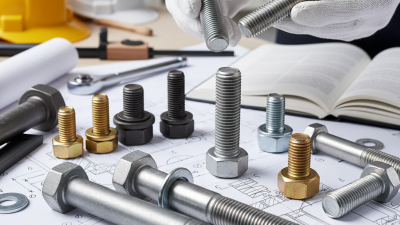
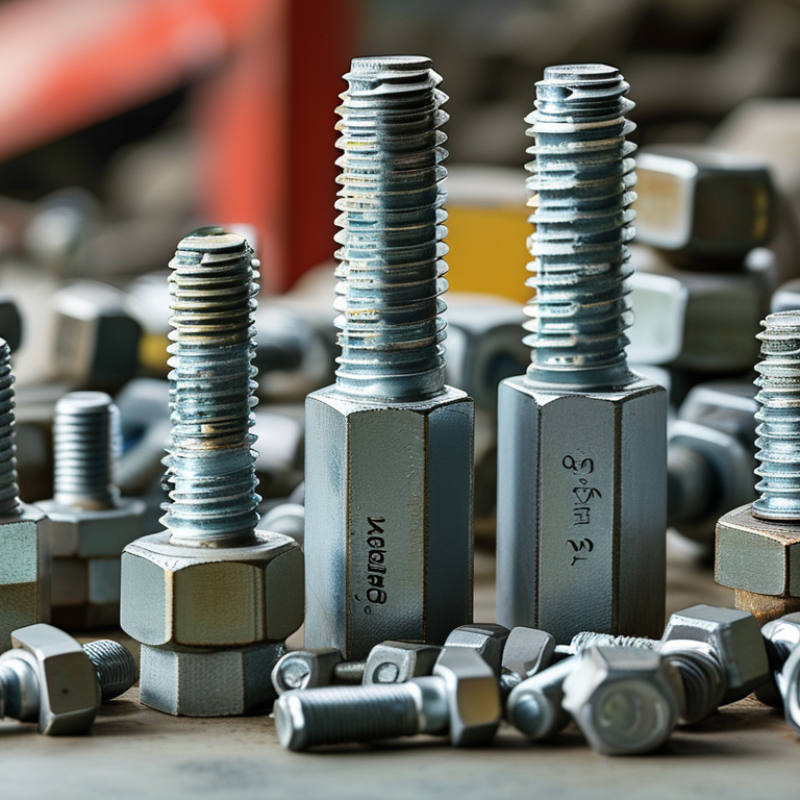
Hex bolts are crucial components in the fastener industry. They feature a hexagonal head, making them easy to grip and turn. Typically made from carbon steel, stainless steel, or alloy materials, their durability is a significant advantage in construction and manufacturing. The global hex bolt market is projected to reach over $6 billion by 2026, indicating strong demand across various sectors.
Different types of hex bolts cater to distinct applications. Some are designed for heavy loads, while others are used for precision tasks. For instance, a grade 8 hex bolt has a tensile strength of 150,000 psi, making it suitable for heavy machinery. Yet, not all applications require such high strength. Misunderstanding these specifications can lead to product failure, raising safety concerns.
Finding quality sourcing is vital, given that not all suppliers adhere to the same standards. Reports show that around 20% of fasteners fail due to poor manufacturing practices. Therefore, verifying a supplier's credentials and product quality is essential. This overlooked step can prevent costly mistakes in long-term projects.
Key Specifications: Dimensions, Grades, and Material Standards for Hex Bolts
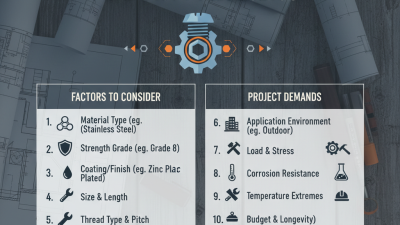
Hex bolts are essential components in various industries. Understanding their specifications can greatly enhance quality control. Key dimensions such as diameter, length, and thread pitch should not be overlooked. For instance, a common size includes M12 bolts, which are often 12 mm in diameter. The length can vary based on application needs.
Grades are crucial for determining the strength of hex bolts. They are classified based on material strength, such as Grade 8.8 or 10.9. Each grade indicates specific mechanical properties. Correct selection ensures structural integrity and safety. Material standards also play a vital role. Common materials include carbon steel and stainless steel. Each offers unique benefits, like corrosion resistance.
Sourcing hex bolts may require research and testing. Not all suppliers meet quality standards. Verifying certifications can help ensure reliability. It is necessary to consider factors like lead time and price. Sometimes, cheaper options compromise quality. This can lead to potential failures in applications. Therefore, a careful evaluation of suppliers is imperative.
Inspection and Testing: Ensuring Quality and Compliance in Hex Bolt Production
Quality assurance in hex bolt production is critical. The inspection and testing process ensures compliance with industry standards. According to a report by the International Organization for Standardization (ISO), products must meet specific mechanical properties. Failure to comply can lead to premature failures in construction projects.
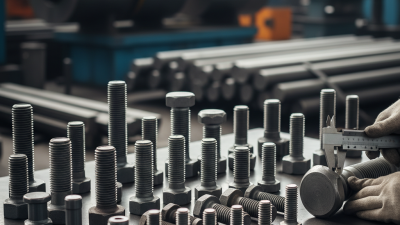
Testing methods include tensile strength evaluations and dimensional inspections. A study conducted by the American Society for Testing and Materials (ASTM) indicates that over 15% of hex bolts fail basic quality tests. This highlights the need for meticulous inspection protocols. The production environment must also be considered, as contamination can compromise integrity.
Furthermore, proper sourcing of raw materials plays a pivotal role. The steel used in hex bolts should conform to strict specifications. Reports show that sourcing low-quality materials can result in a 30% increase in failure rates. Inspections should also focus on the overall manufacturing process. It’s essential to identify potential weaknesses before they escalate into larger issues.
Sourcing and Procurement: Key Considerations for Quality Hex Bolts
When sourcing hex bolts, quality is paramount. According to a recent industry analysis, over 30% of manufacturing defects stem from inadequate fastener quality. This highlights the importance of choosing reliable suppliers. A sound procurement process involves understanding material specifications, such as the grade of steel used. For example, medium carbon steel offers a good balance of strength and ductility, making it suitable for many applications.
Understanding international standards is crucial too. The ISO 3506 standard provides guidelines for corrosion-resistant stainless steel bolts, ensuring durability in various environments. A study indicated that companies adhering to these standards experience 20% fewer failures in critical applications. Therefore, assessing a supplier’s compliance and certifications is essential. It's not enough to assume quality; one must actively seek verification.
Not all suppliers maintain the same quality control standards, leading to inconsistencies. A survey revealed that 15% of companies faced issues due to sourcing discrepancies, often resulting in project delays. Prospective buyers should conduct audits and request samples to evaluate the performance and strength of hex bolts before making bulk purchases. Doing so can mitigate risks and enhance overall project reliability.
China Top Hex Bolts: A Comprehensive Guide to Quality and Sourcing
| Dimension (mm) |
Material |
Coating |
Tensile Strength (MPa) |
Standard Compliance |
Typical Applications |
| 6x20 |
Carbon Steel |
Zinc Plated |
400 |
ISO 3506 |
Machinery Assembly |
| 8x25 |
Stainless Steel |
Plain |
600 |
ASTM A193 |
Construction |
| 10x30 |
Alloy Steel |
Black Oxide |
800 |
DIN 912 |
Automotive |
| 12x40 |
High Strength Steel |
Hot-Dip Galvanized |
1000 |
JIS B1181 |
Heavy Machinery |
Market Trends: Global Demand and Price Fluctuations in the Hex Bolt Sector
The hex bolt sector is experiencing significant global demand, driven by diverse industries such as construction and manufacturing. According to recent market research, the global hex bolt market is expected to grow at a CAGR of 4.5% from 2022 to 2027. This growth is influenced by the rising demand for durable and high-strength fastening solutions. As a result, prices have shown fluctuations, with an average increase of 3.2% in the past year alone.
Market trends reveal regional variations. In Asia-Pacific, particularly in China, production capabilities have expanded significantly. Conversely, Europe faces supply chain challenges, impacting availability and cost. A report from a leading industry analyst indicates that raw material prices will remain volatile in 2023, further affecting hex bolt pricing. Companies need to remain agile in sourcing strategies to manage these fluctuations effectively.
Tip: Regularly analyze market reports. This helps in making informed decisions about procurement.
The industry's focus on quality assurance is paramount. Companies must ensure their hex bolts meet international standards. Investing in quality control can mitigate risks associated with subpar materials. This is especially crucial as local regulations vary widely. Being aware of these can prevent potential compliance issues down the line.
Tip: Engage with reliable suppliers that prioritize quality. This establishes a stronger sourcing network and can lead to better pricing strategies.
Ultimately, understanding market dynamics is essential for businesses in the hex bolt sector. Adaptability and strategic planning will be key in navigating this ever-evolving landscape.
Global Demand and Price Fluctuations in the Hex Bolt Sector