Inquiry
Form loading...

How to Choose the Right Timber Bolts for Your Projects?

Choosing the right timber bolts is crucial for the success of any woodworking project. According to Jack Thompson, a leading expert in fastening technology, "The strength of your build depends on the quality of your timber bolts." This highlights the significance of selecting appropriate fasteners.

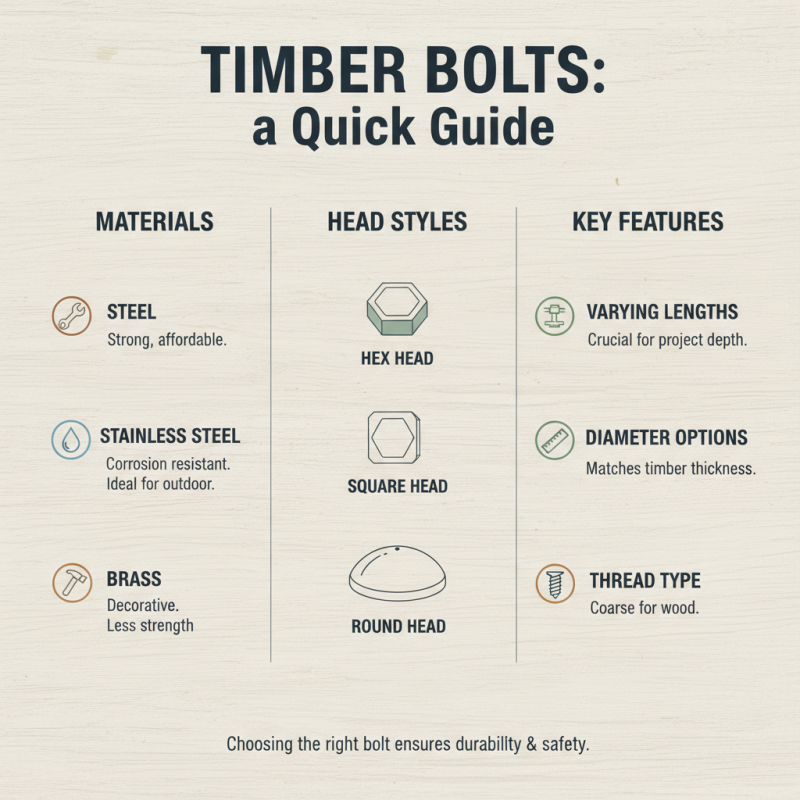
Timber bolts come in various sizes and materials. Understanding their properties is essential. For instance, steel bolts are strong but may corrode without proper coating. On the other hand, stainless steel offers better durability. Each project may require specific features, making the selection process vital.

However, even experienced carpenters face challenges in choosing the right timber bolts. Misjudging a project’s needs can compromise stability. It's a common mistake to overlook the specifications required for different types of wood. Reflecting on these factors can lead to better choices in the future.
How to Choose the Right Timber Bolts for Your Projects?

Understanding the Various Types of Timber Bolts Available

How to Choose the Right Timber Bolts for Your Projects?

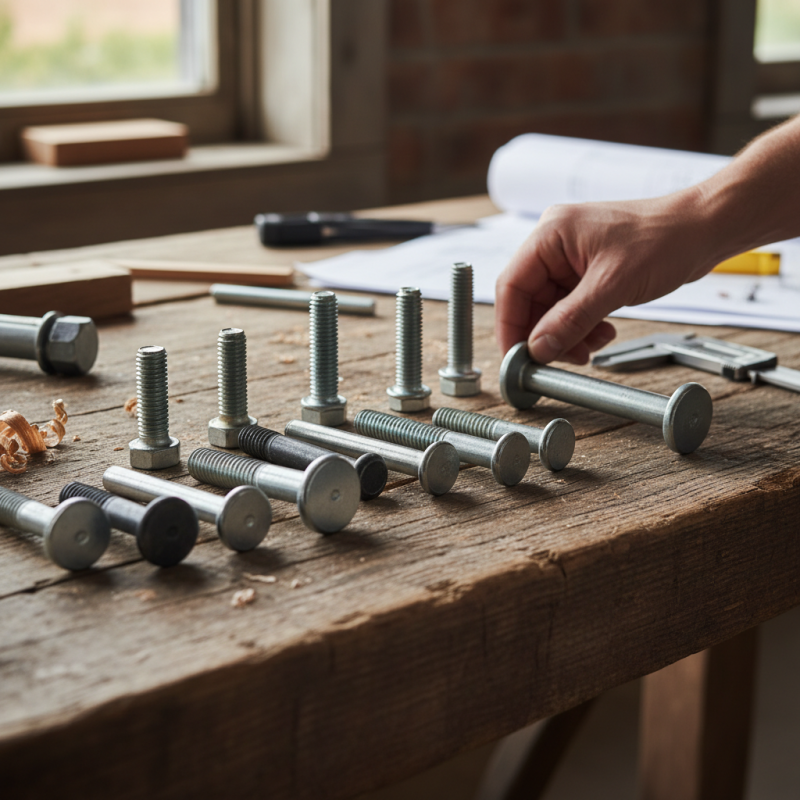
When selecting timber bolts for your projects, understanding the various types is crucial. Timber bolts come in different materials, lengths, and head styles. Common materials include steel, stainless steel, and brass. Each material offers different strength and corrosion resistance. For outdoor projects, stainless steel is often preferred due to its durability against the elements.

According to industry reports, approximately 90% of construction professionals agree that the right bolt enhances structural integrity. For instance, lag bolts provide superior holding power for heavy applications, making them ideal for large timber structures. Conversely, carriage bolts are often used for a more finished appearance, with a rounded head that sits flush against the surface. The choice largely depends on your project's specific needs. Consider the load requirements and environmental conditions when making your decision.

It's important to remember that not all projects will benefit from the same type of timber bolt. Using the wrong size or type can lead to structural failure, which is a reflection of inadequate planning. A survey indicated that nearly 20% of builders experienced issues due to improper fastener selection. Therefore, it's essential to engage with experienced professionals and consult relevant technical guidelines to avoid costly mistakes.
Key Factors to Consider When Choosing Timber Bolts

When selecting timber bolts, several key factors come into play. One of the most critical aspects is the type of wood you are using. Different woods react differently to stress and load. For instance, softwoods like pine generally require specific bolt types that can handle their unique grain patterns. Reports indicate that improper bolt selection can decrease structural integrity by up to 30%. This is especially relevant in construction where safety is paramount.

Another significant factor is the bolt material itself. Common choices include steel and stainless steel, each offering distinct advantages. Steel bolts provide high strength but may corrode in moist environments. Conversely, stainless steel bolts resist corrosion but can be more expensive. According to industry studies, choosing the wrong material can lead to bolt failures, which cost an average of $500 to $1,000 in repairs for construction projects.

Furthermore, the size and length of the bolts must match the intended application. A too-short bolt may not provide sufficient grip, while an overly long bolt could compromise aesthetics or structural ratio. Many professionals recommend using a bolt size chart to ensure compatibility with the timber being used. Failure to adhere to these standards often results in costly delays, highlighting the importance of informed choices in timber bolt selection.

Assessing Load Requirements for Your Timber Projects

When assessing load requirements for timber projects, it's crucial to understand the forces at play. Timber structures must bear various loads, including dead loads, live loads, and environmental loads. According to the National Design Specification for Wood Construction, live loads can range from 40 to 100 pounds per square foot, depending on usage. Ignoring these details can lead to structural failures.

Evaluating the shear and tensile strength of the timber is essential. For instance, a typical Douglas fir has a shear strength of around 1,200 psi, while its tensile strength can reach 14,000 psi. This information is vital when choosing the appropriate timber bolts. Selecting bolts that can handle these stresses ensures the integrity of your project.

Furthermore, using inadequate bolts may result in excessive deflection or even collapse. Many woodworkers underestimate the importance of hardware. Often, projects fail because of insufficient knowledge about load requirements. Understanding the load capacity and choosing the right timber bolts can significantly impact the success of your timber project. A well-informed approach leads to stronger, safer structures.

How to Choose the Right Timber Bolts for Your Projects? - Assessing Load Requirements for Your Timber Projects

Bolt Type Diameter (mm) Length (mm) Load Capacity (kN) Material Suitable Applications
Standard Bolt 10 100 20 Steel Decking, Framing
Lag Bolt 12 150 35 Stainless Steel Heavy Structural Work
Carriage Bolt 16 120 25 Galvanized Steel Furniture, Railing
Bolt with Nut 14 80 30 High Carbon Steel Roof Trusses, Beams
Anchor Bolt 18 200 45 Reinforced Steel Concrete Foundations

Materials and Coatings for Timber Bolts: What You Need to Know

When selecting timber bolts, the materials and coatings are key factors. High-quality timber bolts are often made from stainless steel or carbon steel. According to a 2022 industry report, stainless steel bolts have a higher resistance to rust and corrosion, making them ideal for outdoor projects. In contrast, carbon steel is usually preferred for indoor applications where moisture levels are controlled. Understanding these materials helps ensure the longevity and durability of your projects.

Coatings also play a critical role in enhancing the performance of timber bolts. Common coatings include zinc plating and hot-dip galvanizing. The latter offers superior corrosion protection, which can extend the lifespan of the bolts significantly. A study revealed that galvanized bolts can last up to four times longer than uncoated ones in high-humidity environments. Always consider the environment your projects will face.

Tips: Choose stainless steel for outdoor projects to prevent rust. When durability is a priority, opt for hot-dip galvanized coatings. Regularly inspect bolts for wear, especially in harsh conditions. Recognizing the limitations of each material can help avoid future complications. Make informed choices to enhance your project's success.

Timber Bolts Selection Criteria

Installation Techniques and Best Practices for Timber Bolts

When working with timber bolts, proper installation techniques are crucial for durability and performance. Begin by selecting the right size and type of bolt for your specific project. The diameter and length should match the wood thickness. This step ensures that the bolts provide adequate support without risking wood cracks. Pre-drilling holes can also prevent splitting. Remember, even small mistakes can lead to big issues later.

Align the timber pieces carefully before securing them. Use clamps to hold the materials together. This step allows for adjustments during installation. Tighten the bolts gradually, checking the alignment throughout. Over-tightening can damage the wood. Keep an eye on the grain direction, as it affects how the bolts anchor the materials. Misalignment might require you to redo the work, which is frustrating.

During installation, be mindful of wood expansion and contraction. Changes in humidity can affect how the wood responds. Leave some space for movement, ensuring the bolts won’t cause stress. This consideration is often overlooked but can lead to significant problems over time. Regular checks after installation can help identify any shifts or misalignments early. Reflection on these aspects will ultimately lead to a more successful project.