Top Tips for Choosing the Right Dome Head Bolts?
When it comes to selecting Dome Head Bolts, the process can greatly influence project outcomes. According to the 2022 Fastener Industry Report, improper bolt selection leads to a 30% increase in structural failure rates. This highlights the importance of informed choices in the fastener industry.
Expert engineer John Smith, known for his work in material science, states, "The integrity of your assembly relies on the right bolts." His insights emphasize that choosing the right Dome Head Bolts involves assessing both material standards and application requirements. Factors like load-bearing capacity and corrosion resistance are crucial considerations often overlooked.
Despite their importance, many still rush through selection. It is essential to evaluate specific needs. Understanding the purpose of Dome Head Bolts can prevent costly mistakes. A careful analysis of supplier specifications can enhance reliability. Ultimately, the right choice leads to secure and long-lasting installations.
Understanding the Purpose and Applications of Dome Head Bolts
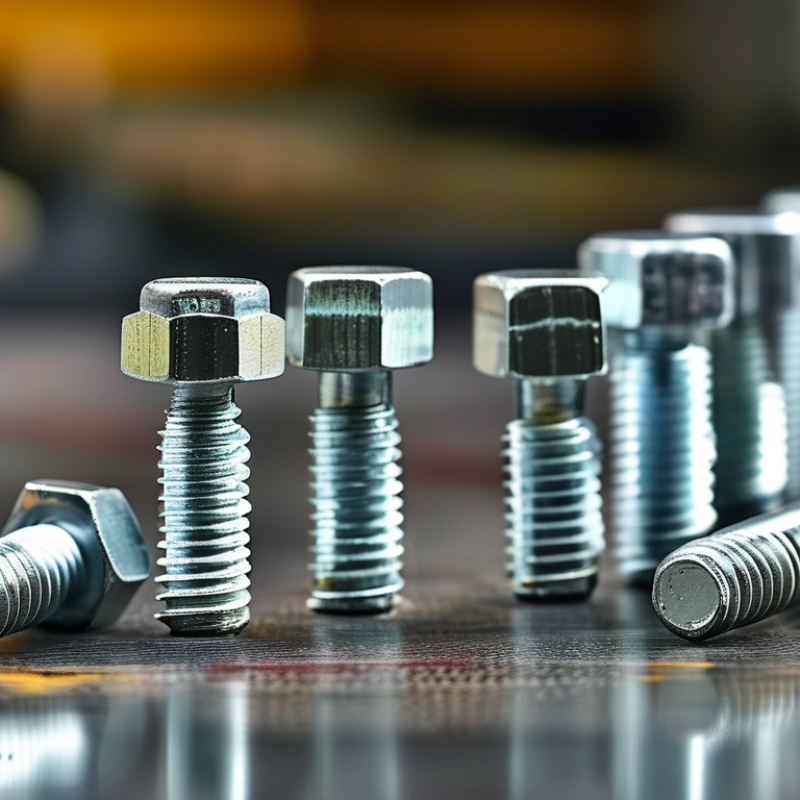
Dome head bolts serve specific functions in various industries, often being chosen for their aesthetic appeal and structural integrity. These bolts typically feature a rounded head, providing a flat bearing surface. This design can help distribute the load evenly, which reduces stress on substrates. According to a study by the Industrial Fasteners Institute, about 30% of structural failures can be attributed to improper fastener selection.
The applications of dome head bolts span construction, automotive, and furniture industries. Their versatility makes them a go-to choice for securing components. In construction, they are commonly used to join metal, wood, and concrete. Automotive manufacturers favor them for engine assembly due to their durability and resistance to corrosion. However, using dome head bolts may not always be ideal. In some cases, standard hex bolts provide a stronger grip. It's essential to evaluate the specific needs of a project, considering factors like weight load and environmental conditions.
Selecting the right dome head bolt requires understanding the materials involved. Expert analyses indicate that the failure rate can increase by 15% when using incorrect bolt types. Engineers often rely on data from the American Institute of Steel Construction, emphasizing the critical nature of proper fastener use. The right choice can contribute significantly to the longevity of a project, but it's crucial to acknowledge that no fastener is flawless. Decisions made without adequate consideration can lead to costly repairs in the long run.
Key Factors to Consider When Selecting Dome Head Bolts
When selecting dome head bolts, several key factors should be taken into account. The material of the bolt is fundamental. Stainless steel is common due to its corrosion resistance. An industry report indicates that about 60% of applications require corrosion-resistant fasteners. For high-stress environments, carbon steel bolts are preferred. They offer greater tensile strength but may require coatings for protection.
Another critical aspect is the size and thread type of the bolts. Standard sizes exist, yet custom lengths are often necessary for specific projects. According to the Fastener Standards Organization, proper thread pitch impacts load distribution. This could affect the overall strength and stability of your assembly. Always consider the specific requirements of your application when choosing thread types.
The installation method should also be evaluated. Dome head bolts may require specialized tools for proper installation, affecting labor costs. Inadequate installation can lead to failures, resulting in costly downtime. A survey by the International Fasteners Association found that improper installation accounts for nearly 30% of fastener failures. It's vital to train staff on installation methods suited for dome head bolts. This ensures reliability and safety in your project.
Material Choices for Durability and Strength in Dome Head Bolts
Selecting the right dome head bolts involves careful consideration of materials. You want bolts that not only serve their purpose but also ensure longevity and reliability. Common materials include stainless steel, carbon steel, and alloy steel. Each has unique properties that affect durability and strength.
Stainless steel is highly resistant to corrosion. This makes it suitable for outdoor and wet environments. However, while it offers strength, it can be more expensive than other options. Carbon steel, on the other hand, provides excellent tensile strength but may not resist rust without proper coating. For critical applications, alloy steel is often the go-to choice. It combines strength with toughness, suitable for heavy-duty uses.
When choosing, consider your project requirements. Match the environment with the right material. Think about load-bearing needs too. Remember, failing to select adequately can lead to costly repairs. Prioritize materials that fit your specific conditions and demands.
Sizing and Thread Considerations for Optimal Performance
When selecting dome head bolts, sizing and thread considerations are critical for optimal performance. Choosing the right size ensures a snug fit and improves load-bearing capabilities. Incorrect sizes can lead to failures in structural integrity. Always measure the diameter and length accurately. A bolt that is too long or short may not hold securely, leading to accidents.
Thread consideration is equally vital. The type and size of threads affect how well the bolt will grip. Coarse threads can handle heavy loads but may not fit into tighter spaces. Fine threads offer better resistance to vibration but might not support as much weight. Evaluate your project's needs before making a decision.
Here are a couple of tips:
- Always refer to the manufacturer's specifications. They provide essential details on compatibility.
- Don’t overlook the material of the bolts. It can influence performance in harsh conditions. Check for corrosion resistance if applicable.
Thorough assessment can help avoid issues later. A little extra time spent choosing the right dome head bolt can save you
stress and
money down the road.
Quality Standards and Certifications to Look for in Dome Head Bolts
When selecting dome head bolts, pay attention to quality standards and certifications. These indicators ensure the bolts will perform reliably under various conditions. Look for bolts that meet ANSI or ISO standards, as these are internationally recognized. Certification from a reputable organization guarantees that the bolts have undergone rigorous testing.
Materials matter. Steel is common, but consider the grade. Higher grades offer better tensile strength and corrosion resistance. If the application requires it, look for bolts with specific coatings. These coatings can enhance durability. Additionally, review the manufacturer's specifications and test reports. They provide detailed insights into the product's performance.
Not all bolts are created equal. Sometimes, inexpensive options may lack the necessary certifications. This could lead to unforeseen failures in critical applications. It's essential to strike a balance between cost and quality. Read reviews and seek advice when unsure about a selection. Prioritize safety and effectiveness to avoid costly mistakes.
Top Tips for Choosing the Right Dome Head Bolts - Quality Standards and Certifications to Look for in Dome Head Bolts
| Dimension |
Material Type |
Standard Compliance |
Corrosion Resistance |
Certification |
| M6 x 20 mm |
Stainless Steel |
ISO 9001 |
Yes |
RoHS |
| M8 x 30 mm |
Carbon Steel |
ASTM A307 |
No |
CE Marking |
| M10 x 40 mm |
Alloy Steel |
DIN 931 |
Yes |
ISO 14001 |
| M12 x 50 mm |
Brass |
BS 3692 |
Yes |
ISO 45001 |
| M16 x 60 mm |
Stainless Steel |
JIS B 1180 |
Yes |
ANSI/ISO |