Inquiry
Form loading...
A loading dock looks simple, but every connection carries repeated impact, vibration, and changing loads. Dock Washers help protect these connections by spreading clamping force across a larger surface area. They are commonly installed with anchor bolts, structural fasteners, dock bumpers, steel plates, and equipment frames.
Picture a delivery truck touching a rubber bumper. The force travels through the bumper, bracket, bolt, and supporting steel. Without a suitable washer, the bolt head or nut can press into the metal, enlarge the hole, or damage a thin mounting plate. A Dock Washer creates a broader bearing surface. This reduces localized stress and helps the joint remain stable.
Fastening engineer Mark A. Johnson explains, “A washer is not just a spacer; it is part of the load path.” That practical observation matters. Washer thickness, outside diameter, material, and hole size can affect the entire connection. A larger washer may suit a damaged or oversized hole, but it does not automatically solve every structural problem.
Installation still requires care. The contact surface should be clean and reasonably flat. The bolt should match the washer and nut. Corrosion resistance also matters in wet loading areas, especially near road salt or wash-down water. Small details count.
They are not magic.
This guide examines what Dock Washers are, how they work, where they are used, and which selection mistakes deserve attention. It also acknowledges an uncomfortable point: a washer cannot compensate for weak steel, poor alignment, incorrect torque, or an unsuitable anchor design. Manufacturer specifications and qualified engineering advice should always guide safety-critical installations.
What Are Dock Washers and How Do They Work?
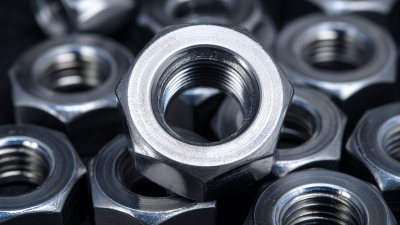
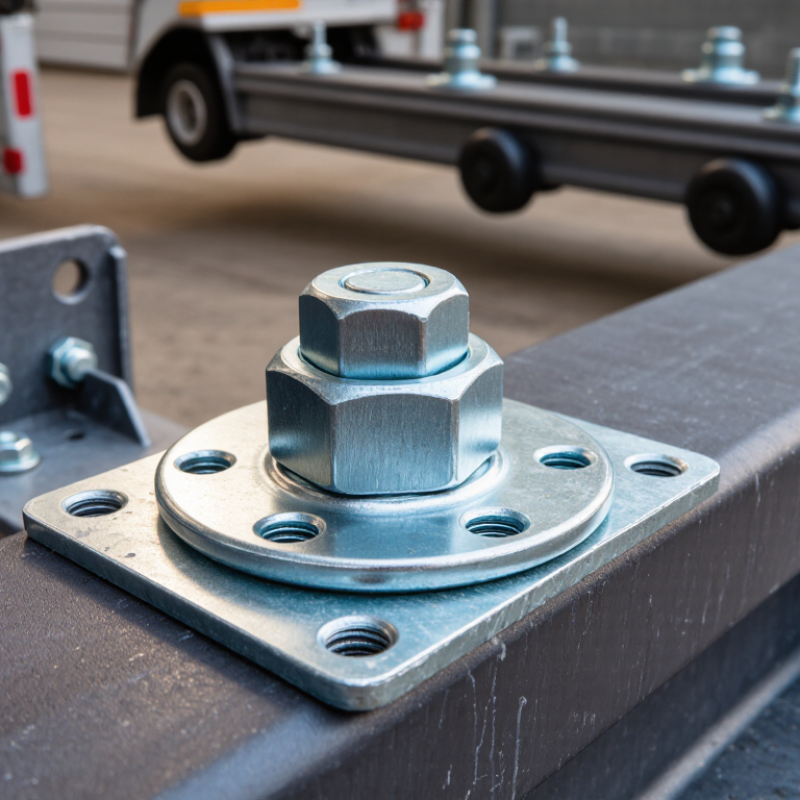
Dock washers are oversized metal washers used in loading dock construction and maintenance. Their basic structure is simple: a central hole, a broad outer surface, and a measured thickness. The hole fits around a bolt or anchor. The outer surface spreads clamping pressure across steel, timber, or concrete-backed plates.
This wider contact area helps prevent the bolt head or nut from pulling through thin material. It also reduces local bending around the connection. In practice, dock washers support dock plates, bumpers, restraints, and other high-load assemblies. Material choice matters. Zinc-plated steel suits many indoor areas, while galvanized or stainless steel performs better in damp environments. The correct washer still depends on bolt grade, hole size, load direction, and substrate strength.
The U.S. Bureau of Labor Statistics reported a 2023 recordable injury rate of 4.8 cases per 100 full-time workers in transportation and warehousing, compared with 2.4 across private industry. That figure does not measure washer failures directly. However, it shows why reliable dock connections deserve careful inspection. OSHA’s warehousing guidance also identifies loading areas and material handling as significant risk zones.
Tips: Match the washer’s inside diameter closely to the fastener. Keep the bearing face flat and free from rust, paint flakes, or debris. Tighten to the engineer’s specification, not by guesswork. A larger washer is not automatically stronger. This is where mistakes happen. Recheck loose, distorted, or cracked connections during scheduled dock inspections.
| Data Dimension | Dock Washer Information | Practical Significance |
|---|---|---|
| Definition | A dock washer is a large flat washer used in dock, marine, waterfront, and heavy-duty timber construction. It is installed beneath a nut or bolt head to distribute the clamping load over a wider surface area. | It helps prevent the fastener from pulling through, crushing, or excessively compressing the connected wood or other structural material. |
| Primary Purpose | Its main purpose is to spread the force produced when a bolt or nut is tightened. | A larger bearing area improves joint stability and reduces localized stress around the bolt hole. |
| Basic Structure | A typical dock washer is a flat, circular plate with a central hole sized to accommodate a bolt or threaded rod. | The flat outer surface bears against the material, while the central opening allows the fastener to pass through. |
| Common Materials | Common material choices include carbon steel, stainless steel, and zinc-coated or hot-dip-galvanized steel. | Material selection depends on required strength, exposure to moisture or saltwater, corrosion resistance, and project service life. |
| Typical Shape | Most dock washers are round and flat. Some heavy-duty designs may use a square or rectangular plate configuration. | Round washers are easy to install, while plate-style washers can provide a larger bearing surface in demanding timber connections. |
| Central Hole | The hole is normally slightly larger than the bolt or rod diameter to allow installation without interfering with the threads. | The washer should sit flat and remain properly centered under the nut or bolt head during tightening. |
| Load Distribution | When the fastener is tightened, the washer transfers part of the compressive force from the nut or bolt head to a broader area of the connected material. | This reduces the risk of the fastener head or nut embedding into soft wood, composite material, or thin metal. |
| Typical Applications | Dock washers are used in timber docks, piers, boardwalks, seawalls, marine framing, retaining structures, and other exposed structural assemblies. | They are especially useful where connections must resist vibration, movement, moisture, and repeated loading. |
| Fastener Compatibility | They are commonly used with through-bolts, carriage bolts, anchor rods, threaded rods, and other structural fasteners. | The washer must match the fastener system in hole size, strength, and corrosion-resistance requirements. |
| Corrosion Considerations | In wet or marine environments, corrosion-resistant stainless steel or galvanized finishes are commonly considered instead of untreated carbon steel. | Using compatible materials helps reduce rust, section loss, staining, and premature weakening of the connection. |
| Installation Position | A dock washer is normally placed directly under the nut or bolt head. In some connections, washers may be used on both sides of the joint. | Correct placement ensures that the clamping force is transferred efficiently and that the washer remains fully supported. |
| Installation Sequence | Insert the bolt or rod through the aligned members, place the washer over the protruding end, install the nut, and tighten to the specified requirement. | Proper alignment and controlled tightening help prevent uneven loading, material damage, and connection loosening. |
| Selection Factors | Important selection factors include bolt diameter, washer outside diameter, thickness, material grade, surface finish, expected load, and environmental exposure. | A washer should be selected as part of the complete connection rather than by outside diameter alone. |
| Difference from a Standard Flat Washer | A dock washer generally has a larger outside diameter and may be thicker or heavier than a conventional flat washer. | The increased bearing surface is useful when fastening into wood or other materials that could be damaged by concentrated pressure. |
| Performance Limitation | A washer distributes load but does not replace adequate bolt strength, sound structural material, correct joint design, or proper tightening. | The complete connection must be designed and installed to withstand the expected tension, shear, bending, vibration, and environmental forces. |