Inquiry
Form loading...
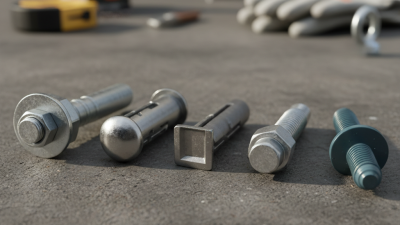
Global dock infrastructure is under pressure from heavier cargo, tighter delivery windows, and harsher coastal exposure. UNCTAD’s Review of Maritime Transport 2024 states that over 80% of global merchandise trade by volume moves by sea. That figure makes small fastening details more important than they appear. Dock Washers help distribute clamping force around anchor holes, steel frames, bumpers, and loading equipment.
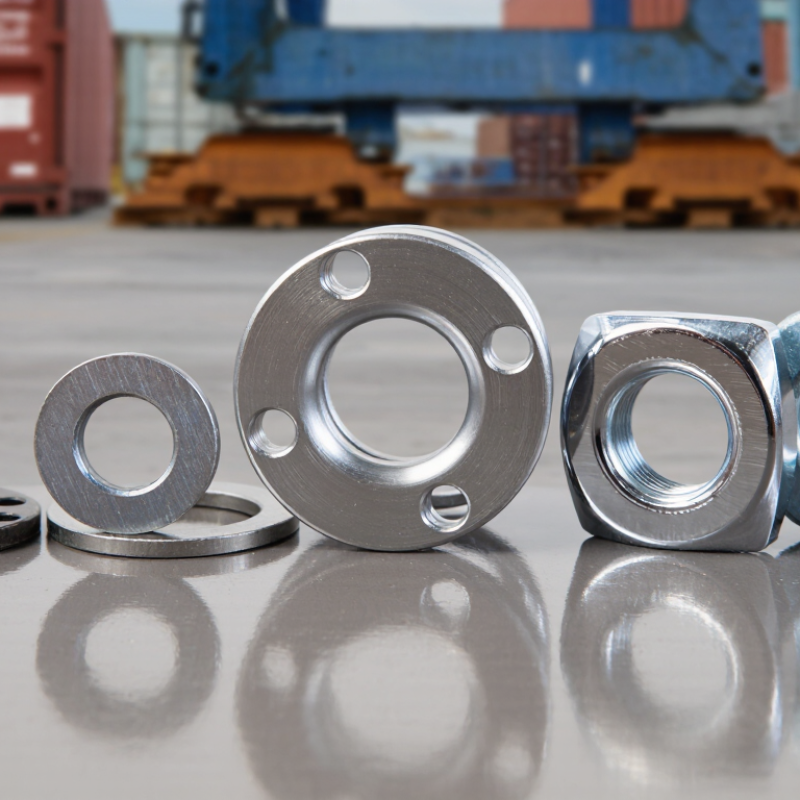
This outline examines the leading washer types considered by global buyers in 2026. It compares hardened structural washers, flat washers, fender washers, square washers, stainless steel washers, and hot-dip galvanized options. Each type serves a different site condition. A hardened washer suits high-strength anchor assemblies. A fender washer covers oversized or damaged holes. Stainless steel performs well near saltwater, but its higher cost deserves careful justification. Galvanized steel often offers a practical balance for outdoor docks.
Technical selection should follow evidence, not attractive catalog photos. ASTM F436/F436M provides requirements for hardened washers used with structural bolting. ISO 898-1 helps buyers evaluate the mechanical properties of carbon steel and alloy steel fasteners. The World Bank’s Logistics Performance Index 2023 also highlights reliability as a core supply-chain concern. Delayed replacement parts can interrupt a busy loading bay.
Small component. Serious consequence.
However, this topic has limits. Washer performance depends on bolt grade, substrate strength, hole size, torque control, drainage, and inspection quality. A corrosion-resistant coating cannot repair poor installation. Regional standards and certification practices also differ. Buyers should verify mill certificates, dimensional tolerances, coating thickness, and compatibility before ordering. The best 2026 choice may not be the strongest washer, but the most suitable and traceable one.
A dock washer is a cleaning machine designed for loading docks, trailer floors, ramps, and nearby concrete. It removes mud, oil residue, food particles, and dust before they spread indoors. Most systems use a pump, hose, spray gun, and adjustable nozzle. Water leaves the nozzle at high pressure, breaking dirt from textured surfaces. The operator then guides the runoff toward a drain or collection point.
Global buyers commonly compare cold-water, hot-water, electric, and fuel-powered dock washers. Cold-water models suit dust, loose soil, and routine maintenance. Hot-water units work better against grease and sticky deposits. Electric machines create less noise and exhaust, which helps enclosed facilities. Fuel-powered systems usually offer stronger field flexibility, but they require ventilation and careful fuel storage. Some buyers also choose compact mobile units for multiple loading bays. Fixed systems can save setup time at busy sites.
Performance depends on more than pressure. Water flow, nozzle angle, hose length, drainage, and surface material all affect cleaning results. A very strong spray can damage old concrete or force contaminants into cracks. That detail is easy to miss. Operators should test a small area first and follow the equipment maker’s instructions. A realistic selection considers cleaning frequency, available power, water access, winter temperatures, and worker handling. The cheapest machine may become expensive when hoses wear quickly or drainage remains poor.
| Dock Washer Type | What It Is and How It Works | Typical Pressure | Typical Water Flow | Water Temperature | Primary Advantages | Typical Limitations | Best-Fit Loading-Dock Use |
|---|---|---|---|---|---|---|---|
| Cold-Water Electric Pressure Washer | Uses an electric motor and high-pressure pump to force water through a narrow nozzle. The water jet removes dust, mud, loose soil and light oil contamination from dock floors, ramps and doors. | Approximately 1,500–3,000 psi (103–207 bar) |
Approximately 1.5–3.0 gal/min (5.7–11.4 L/min) |
Ambient water temperature | Low local emissions, relatively quiet operation, compact storage and convenient indoor use where electrical power is available. | Requires a suitable electrical supply; cold water is less effective against heavy grease and some oily residues. | Small and medium distribution docks, enclosed warehouses, retail loading bays and routine daily cleaning. |
| Cold-Water Gasoline or Diesel Pressure Washer | Uses an internal-combustion engine to drive a high-pressure pump. It is suitable for outdoor cleaning and locations where grid electricity is limited or unavailable. | Approximately 2,500–4,000 psi (172–276 bar) |
Approximately 2.5–4.0 gal/min (9.5–15.1 L/min) |
Ambient water temperature | High mobility, strong cleaning performance and independence from fixed electrical infrastructure. | Produces exhaust gases and engine noise; should not be operated in poorly ventilated enclosed areas. Requires fuel, engine maintenance and winterization in cold climates. | Outdoor freight yards, remote docks, construction-material depots and high-volume cleaning areas. |
| Hot-Water Pressure Washer | Combines high-pressure water with a burner or heating system. Heated water softens grease, oil and biological residues before the pressurized stream removes them. | Approximately 2,000–4,000 psi (138–276 bar) |
Approximately 2.0–4.0 gal/min (7.6–15.1 L/min) |
Commonly adjustable up to about 93°C (200°F), depending on the model and local regulations |
Faster removal of oil, grease and embedded organic contamination; can reduce dependence on chemical detergents. | Higher purchase and operating cost, greater weight and added burner maintenance. Hot-water discharge may require additional wastewater controls. | Food and beverage logistics, vehicle loading zones, cold-weather sites and docks exposed to oil or heavy grease. |
| Battery-Powered Portable Washer | Uses a rechargeable battery to power a compact pump. It generally supplies lower flow and pressure than corded or engine-driven equipment. | Approximately 500–2,000 psi (34–138 bar) |
Approximately 0.5–1.5 gal/min (1.9–5.7 L/min) |
Ambient water temperature | Very low noise, no power cable or fuel exhaust during use, and easy movement around short dock areas. | Limited runtime, charging requirements and lower productivity for large or heavily soiled surfaces. | Spot cleaning, small service docks, low-noise facilities and locations with restricted access to mains electricity. |
| Trailer-Mounted High-Flow Washer | Integrates a water tank, pump, engine, hose reel and accessories on a road-towable trailer. The operator brings the complete cleaning system to different dock locations. | Approximately 3,000–4,000 psi (207–276 bar) |
Approximately 3.0–5.0 gal/min (11.4–18.9 L/min) |
Cold or hot, depending on configuration | Large water reserve, high productivity and strong suitability for multiple sites or facilities without dependable water connections. | Requires towing space, secure parking and regular inspection of the tank, chassis, engine, pump and hose system. | Large logistics parks, freight terminals, public-service fleets and mobile contract-cleaning operations. |
| Electric Floor Scrubber-Dryer | Uses rotating brushes or pads with controlled water and detergent application. A vacuum recovery system collects the dirty solution in the same pass. | Not normally rated by pressure; brush pressure and pad speed are the key cleaning variables. | Low, metered solution flow; commonly adjusted to floor condition and machine size. | Normally ambient or mildly warm water | Produces a relatively dry walking surface, recovers wastewater efficiently and offers consistent cleaning on smooth concrete floors. | Less suitable for uneven surfaces, dock edges, open grating, deep joints or heavy accumulations of mud. | Indoor loading bays, smooth concrete warehouse floors and sites where slip risk and wastewater recovery are priorities. |
| Surface-Cleaner Attachment System | Uses two or more rotating spray nozzles inside a protective circular housing. The attachment connects to a pressure washer and cleans large flat areas more evenly than a hand wand. | Commonly matched to pressure washers rated around 2,000–4,000 psi (138–276 bar) |
Must match the pressure washer pump; commonly about 2.0–4.0 gal/min (7.6–15.1 L/min) |
Cold or hot, according to the connected washer | Reduces splash, improves cleaning uniformity and can increase productivity on concrete dock aprons and ramps. | It is not a complete washer by itself; performance depends on nozzle sizing, pump flow, surface condition and correct operating height. | Large flat dock slabs, ramps, aprons and pedestrian-safe cleaning of concrete surfaces. |
| Steam or Low-Pressure Hot-Water Cleaner | Uses very hot water, steam or a low-flow heated stream to loosen grease and sanitize selected surfaces while limiting water consumption. | Often below conventional pressure-washer levels; pressure varies by design and application. | Low flow, commonly below standard high-flow pressure-washer output | High-temperature operation; exact temperature depends on the system and safety controls | Low water consumption and effective softening of grease, residue and some microorganisms when used with an appropriate sanitation procedure. | Slower for large areas, requires strict burn protection and may be unsuitable for heat-sensitive coatings, seals or plastics. | Targeted degreasing, sanitation-sensitive areas and detailed cleaning around dock equipment and machinery. |