How to Source Quality Mushroom Head Bolts for Global Buyers?
Sourcing quality Mushroom Head Bolts is crucial for global buyers in various industries. These fasteners are known for their unique design and versatility. Understanding their applications can enhance product development and improve overall performance.
Many buyers face challenges when sourcing these bolts. They often struggle to identify reliable suppliers. A lack of transparency in the manufacturing process can lead to inconsistent quality. Engaging with experienced suppliers who understand industry standards is vital. Buyers must conduct thorough research.
Trust and quality assurance are essential in this supply chain. Sourcing from reputable manufacturers ensures that the Mushroom Head Bolts meet required specifications. It’s also important to evaluate the materials used during production. By prioritizing quality, buyers can avoid costly mistakes and rework.
Understanding Mushroom Head Bolts: Design and Functionality
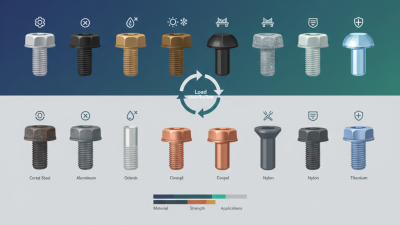
Mushroom head bolts play a crucial role in various mechanical applications. Their unique design features a wide, rounded head that resembles a mushroom. This shape distributes the load more evenly on the surface it fastens. The added surface area provides greater support, especially in soft materials. When selected correctly, they can significantly enhance the durability of your assembly.
Design is just one aspect of mushroom head bolts. The functionality is equally important. Many users may overlook the impact of materials and coatings. For instance, stainless steel offers corrosion resistance, while other finishes may enhance grip. However, if not chosen wisely, these factors can lead to premature wear. There’s a need for thorough research to ensure you get the right specifications for your project.
Quality sourcing requires diligence. Gathering product samples can help visualize the differences in dimensions and finishes. Many buyers often underestimate the importance of these details. Working with suppliers who prioritize quality assurance provides added reliability. Be proactive in seeking certifications related to your chosen bolts. This can help alleviate concerns about performance and safety. Engaging in discussions with experts can also offer valuable insights, promoting informed decisions.
Identifying Quality Standards for Mushroom Head Bolts
When sourcing quality mushroom head bolts, it’s crucial to understand the quality standards that guide manufacturing. These standards vary by region and application, impacting everything from corrosion resistance to tensile strength. According to a 2022 industry report, 72% of buyers prioritize materials that meet international standards such as ISO 898-1. This highlights the importance of compliance with recognized norms for trust.
Quality mushroom head bolts must be made from durable materials like stainless steel or alloy steels. They should undergo thorough inspections, including dimensional checks and material composition analysis. Many manufacturers utilize non-destructive testing methods to ensure that their products meet durability requirements. A survey indicated that 65% of consumers prefer suppliers who provide certifications and test reports, reinforcing buying confidence.
Consider evaluating multiple suppliers and their certifications for quality assurance. Request samples to examine the finish, dimensions, and overall feel of the bolts. Engage in discussions regarding their testing methods. This exchange can provide insights into their production quality. Be mindful that not all suppliers prioritize quality, and looking for inconsistencies can lead to better decisions. Understanding these nuances and asking the right questions are essential to secure reliable products that meet global demands.
Sourcing Strategies for Global Buyers: Where to Start
When sourcing quality mushroom head bolts, global buyers need a clear strategy. Start your journey by identifying reliable suppliers. Research online platforms and trade directories. Look for manufacturers with a track record in bolt production. It’s crucial to evaluate their certifications and quality assurance practices. A well-established supplier can provide insight into material quality and manufacturing processes.
Next, engage in diligent communication with potential suppliers. Request samples to assess the product’s durability and design. Assess their responsiveness to inquiries, as this reflects their commitment to customer service. It’s also wise to visit factories if possible. In-person visits can reveal production capacities and working conditions. However, travel may not always be feasible. In such cases, rely on trusted third-party inspection services to validate the quality.
Validating the supplier's reputation is essential. Seek reviews and testimonials from past clients. This offers real-world insights into their reliability and product quality. Reflect on your experiences and learn from any missteps in the past. Not every decision will lead to success, and adapting your approach is part of the journey. Cultivating these strategies will enhance your sourcing process greatly.
How to Source Quality Mushroom Head Bolts for Global Buyers?
| Criteria |
Details |
| Material Quality |
Use high-grade carbon steel or stainless steel for durability. |
| Supplier Verification |
Check for certifications such as ISO 9001 for quality assurance. |
| Production Capacity |
Ensure supplier can meet order volume requirements efficiently. |
| Pricing Strategy |
Compare prices among suppliers while considering quality. |
| Shipping Options |
Evaluate shipping terms and costs for international logistics. |
| Customer Support |
Assess the supplier's responsiveness to inquiries and issues. |
| Payment Terms |
Negotiate flexible payment options that suit both parties. |
Evaluating Suppliers: Key Factors for Quality Assurance
When sourcing quality mushroom head bolts for global buyers, evaluating suppliers is crucial. Reliable suppliers can significantly impact product quality and customer satisfaction. Begin by assessing the supplier's experience in the industry. A supplier with years of expertise often understands the nuances of manufacturing and quality control. Look into their production capabilities and technology used. This will help gauge if they can meet your specific requirements.
Next, consider the supplier’s certifications. High standards such as ISO or similar certifications can indicate a commitment to quality. Ask for references from other clients. Speaking directly with previous customers can reveal valuable insights about the supplier’s reliability and product performance. Engaging in discussions about their quality control processes is essential. Inspecting how they handle defective products can highlight their accountability.
Also, be mindful of the communication style. Efficient communication is vital for ensuring all details are understood. Look for transparency throughout the negotiation process. If suppliers are hesitant to share information or avoid answering questions, it may raise red flags. All these factors contribute to a well-rounded evaluation, helping global buyers make informed decisions.
Navigating Import Regulations and Logistics for Buyers
Navigating the complex landscape of import regulations is crucial for buyers sourcing mushroom head bolts globally. Understanding local laws can save time and costs. Each country has specific import requirements. Researching customs duties, tariffs, and necessary documentation helps streamline the process. Buyers should not overlook the harmonized system codes. These codes classify products for clear identification and duty assessment.
Logistics play a vital role in ensuring timely delivery. Partnering with reliable freight forwarders is essential. They can assist with shipment tracking and handling customs clearance. Air freight is faster, but often more expensive. Sea freight is cost-effective for larger shipments, though it takes longer. Assessing the balance between cost and delivery speed is often challenging. Sharing clear specifications with suppliers mitigates misunderstandings, making logistics smoother.
Having robust communication with suppliers cannot be ignored. Misalignment in product standards can lead to serious delays. Developing a checklist of necessary compliance information can help ease the import journey. Buyers must be proactive, especially in changing regulatory environments. This approach allows for a more manageable import process. Striving for quality and reliability, while wrestling with complex regulations, is an ongoing challenge for buyers in this field.